Cuba is open for business! Yes, still (despite what you may think, Americans). Sadly, since Obama opened the gates to American tourists to come visit again, his successor and even Biden since haven’t helped matters and the new cruise infrastructure that millions was dumped into sits empty and tourist visits have trickled, but that didn’t stop us.
Alli, my wife wasn’t happy that I went to Cuba without her and had been dying to return, this time with close friends of ours known for globe-trotting in Andy and Lisa. We connected in Miami (one of 3 U.S. cities you can enter from), got our tourist visa at the airport for $100, reason for the visit being to support the Cuban people.
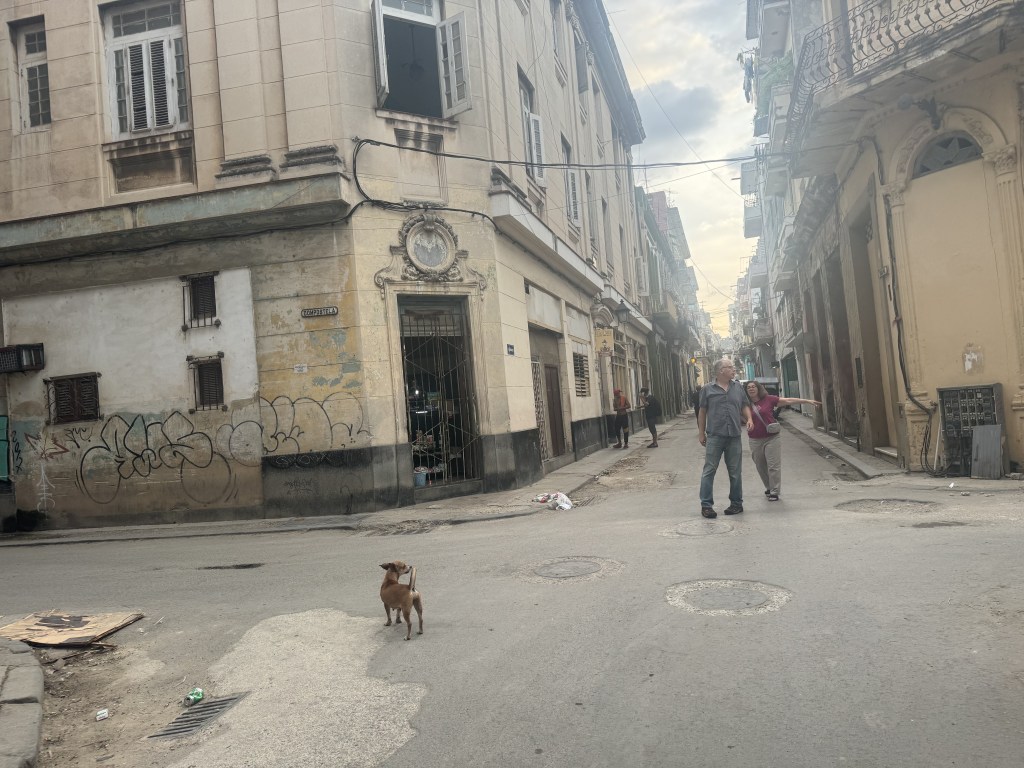
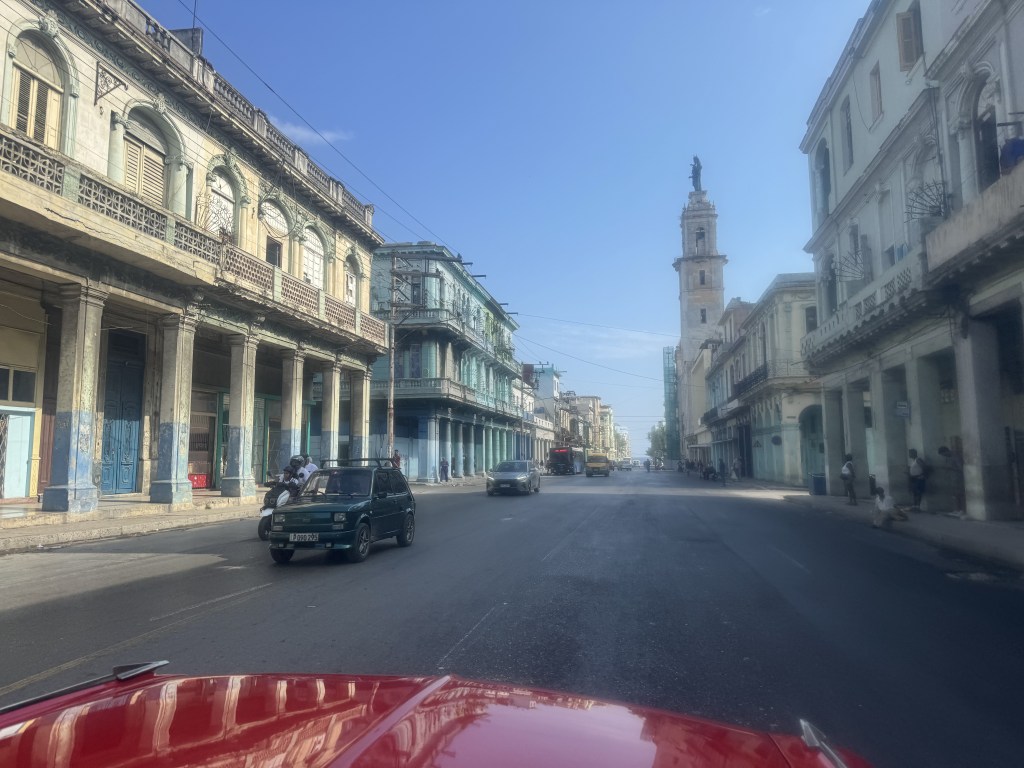
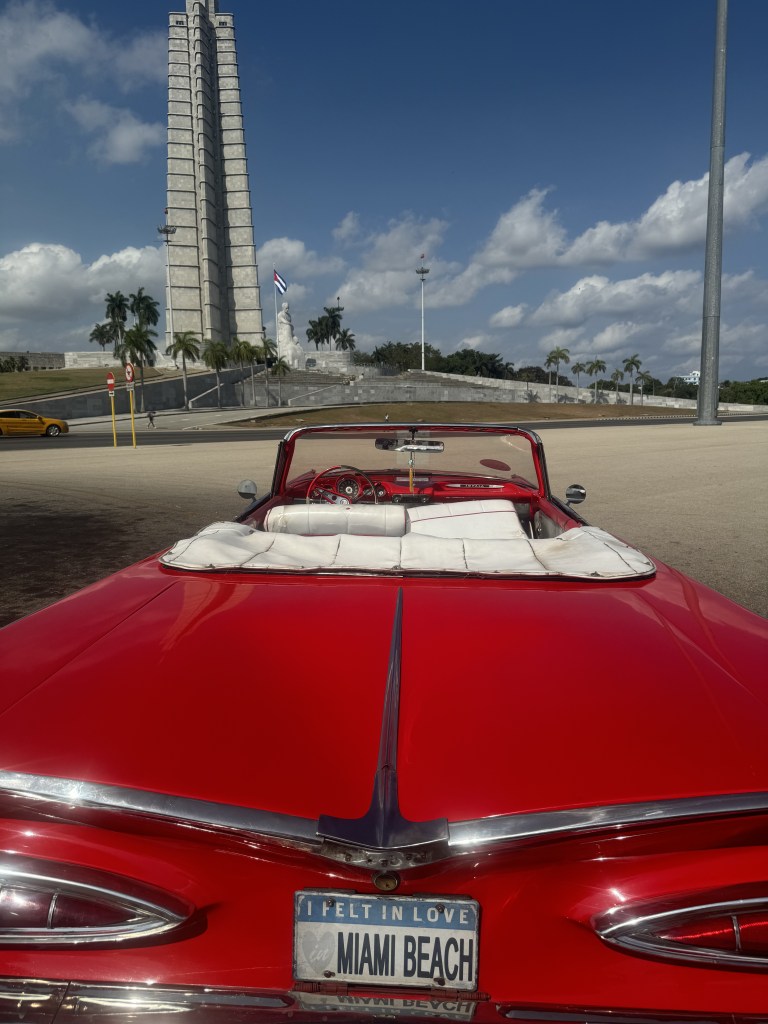
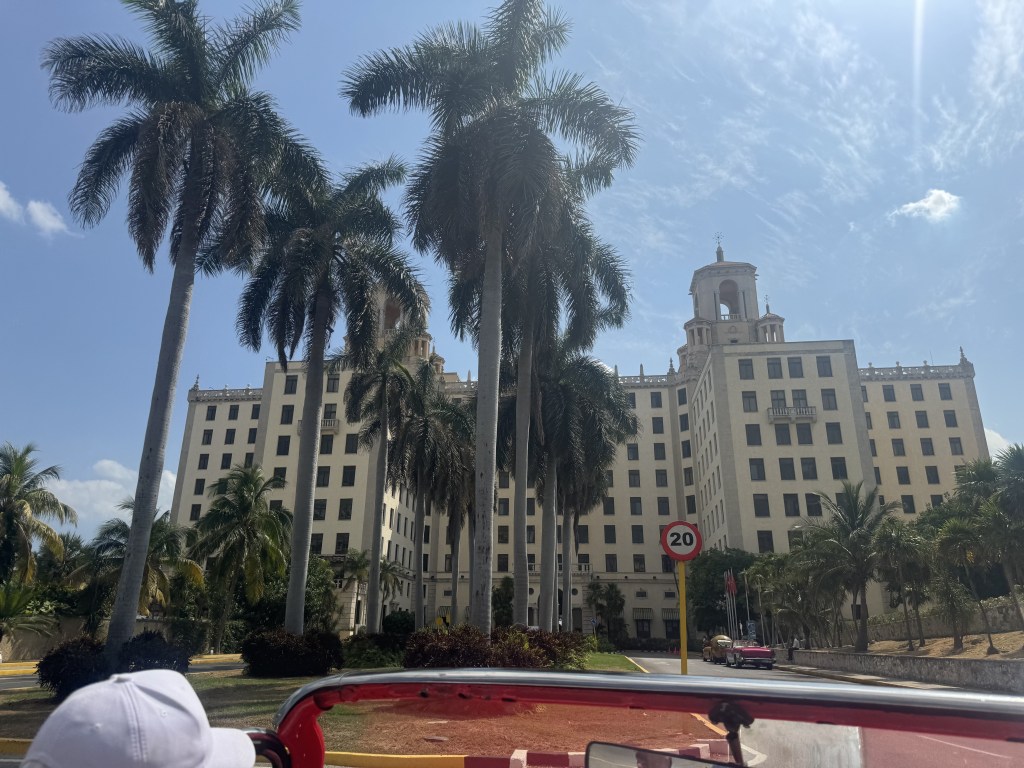
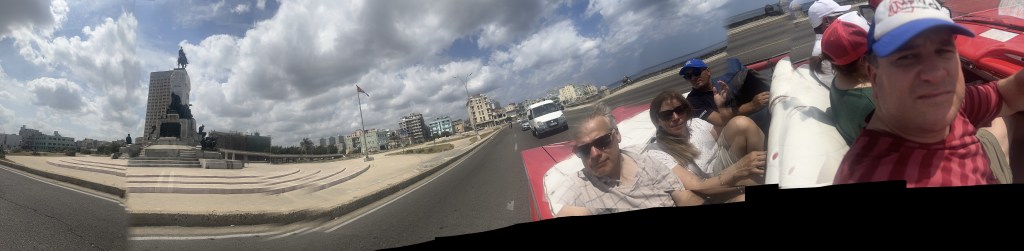
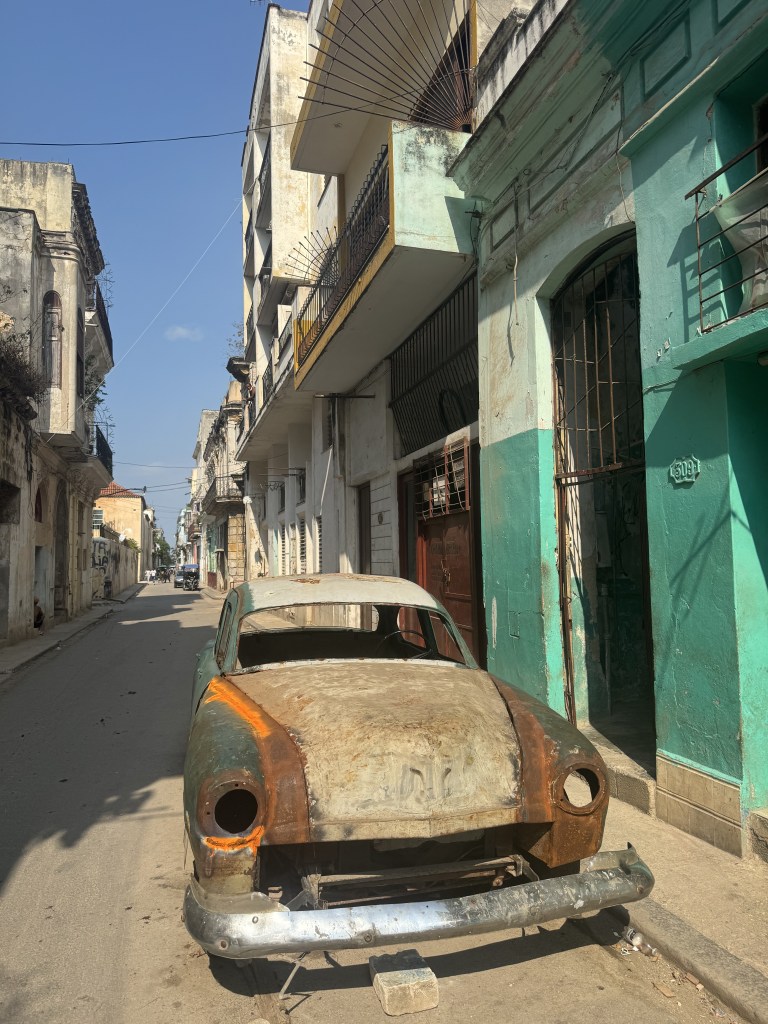
After waiting for an extra 25 minutes on the side, while sweating for being overdressed for the tropics, to clear customs (they had some fun with me for a blurry initial photo). Then like that, we were cruising down the scenic seaside Malecon past the occassionally updated ruins to our casa in Habana Vieja.
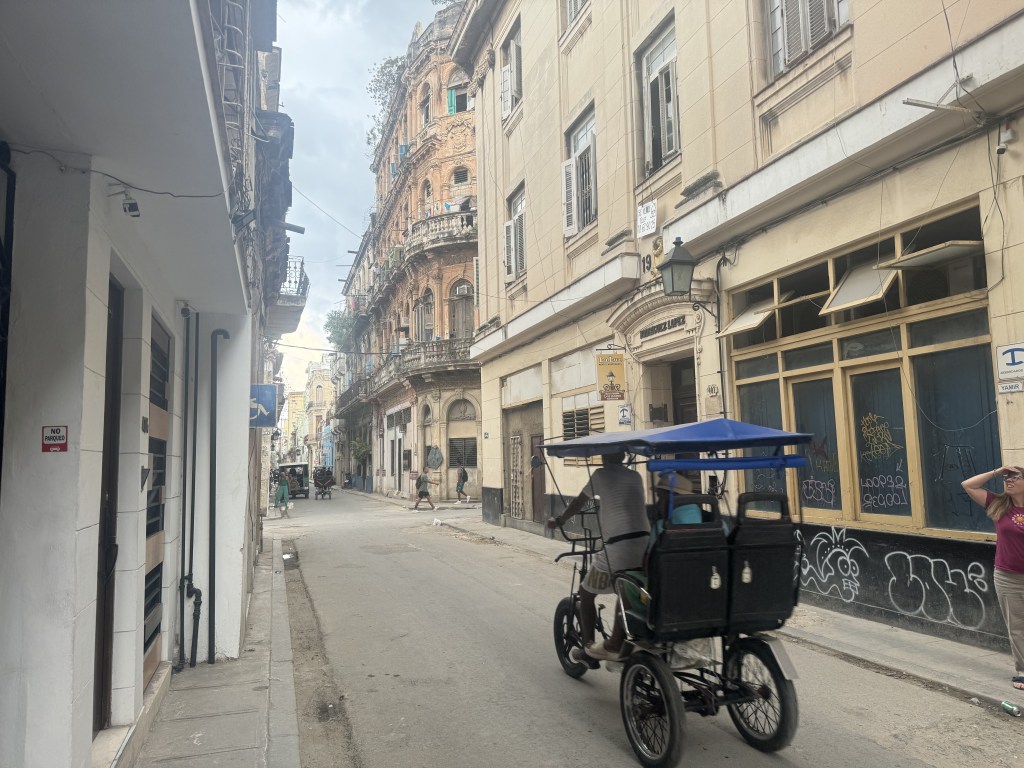
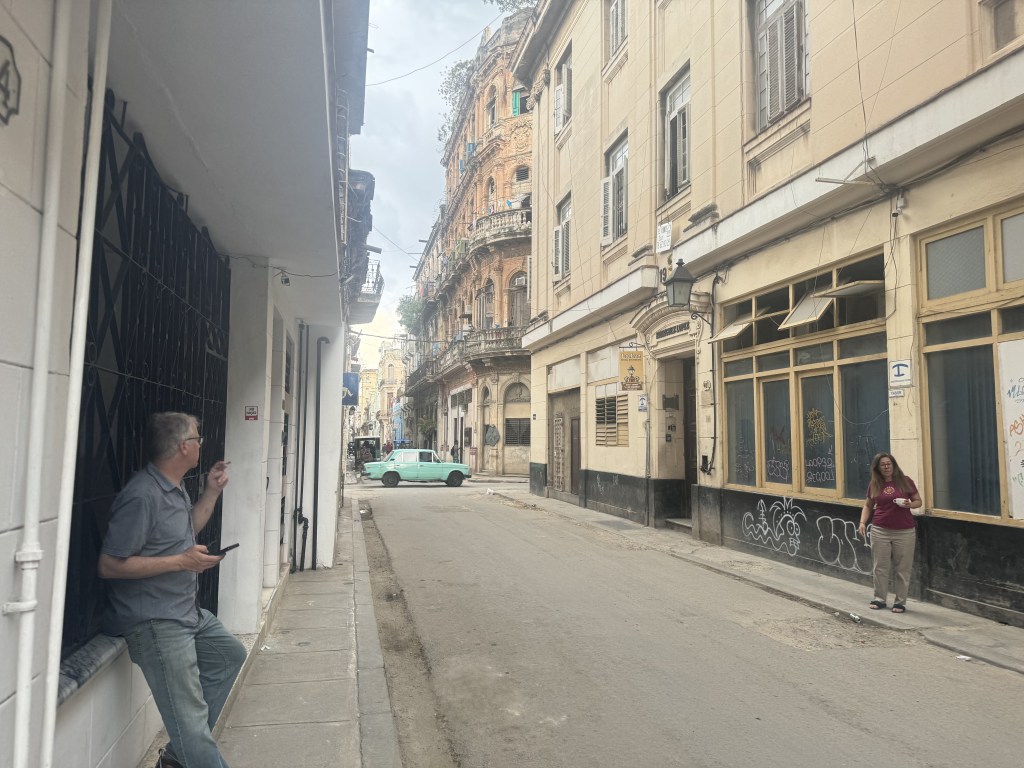
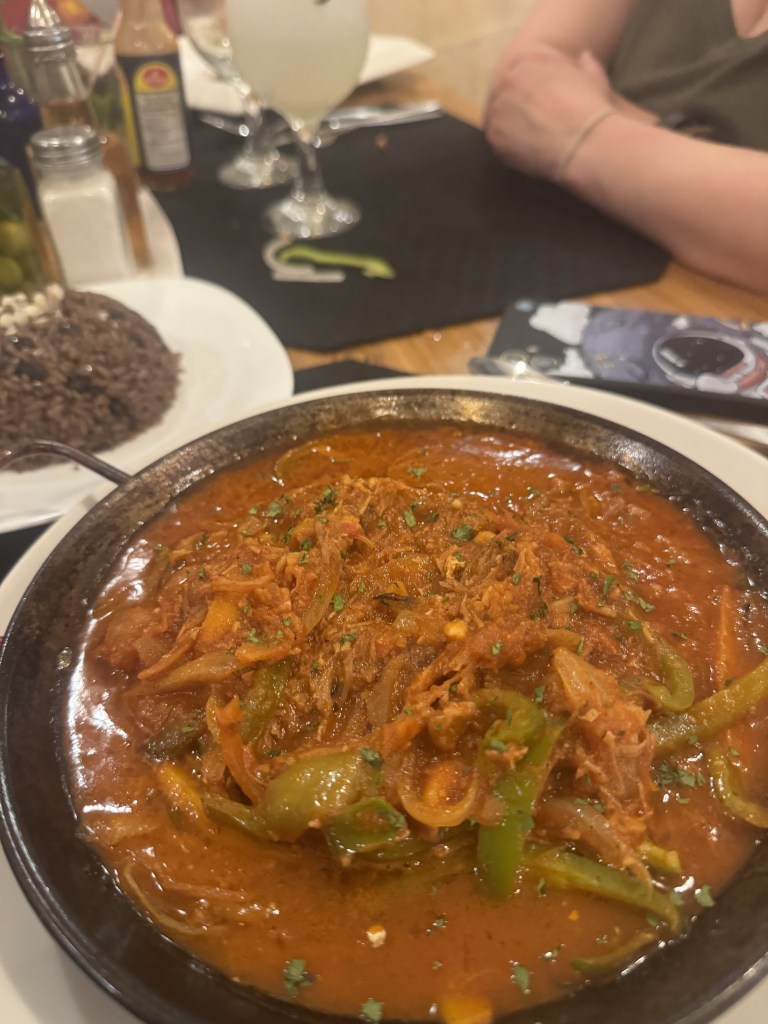
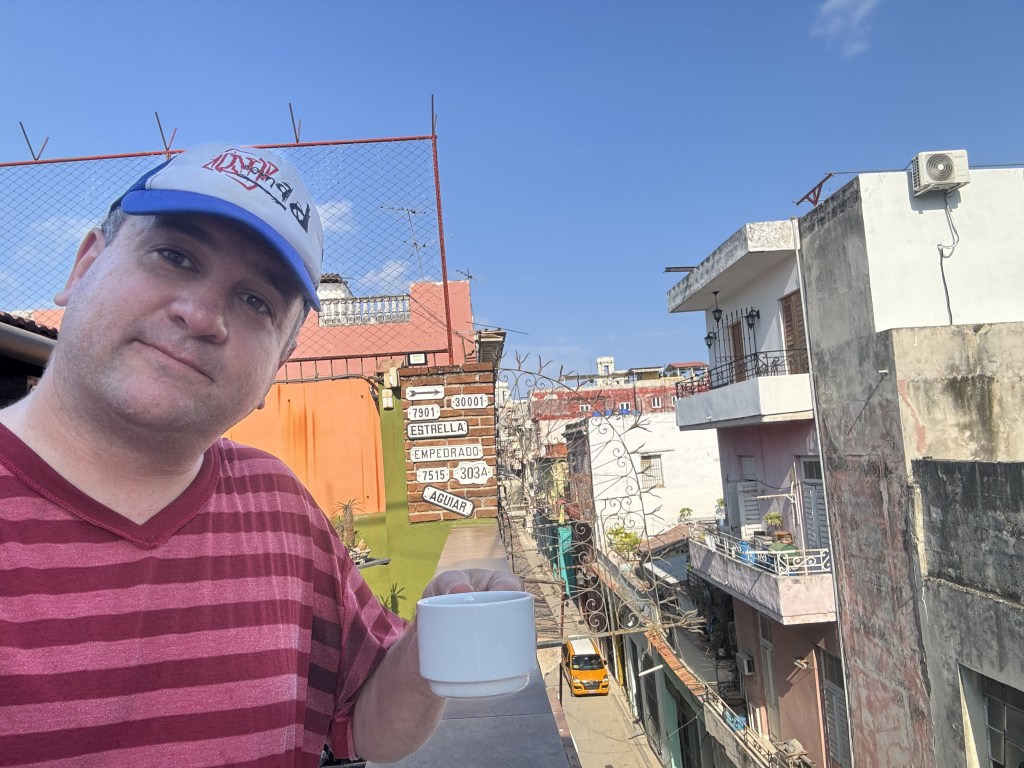
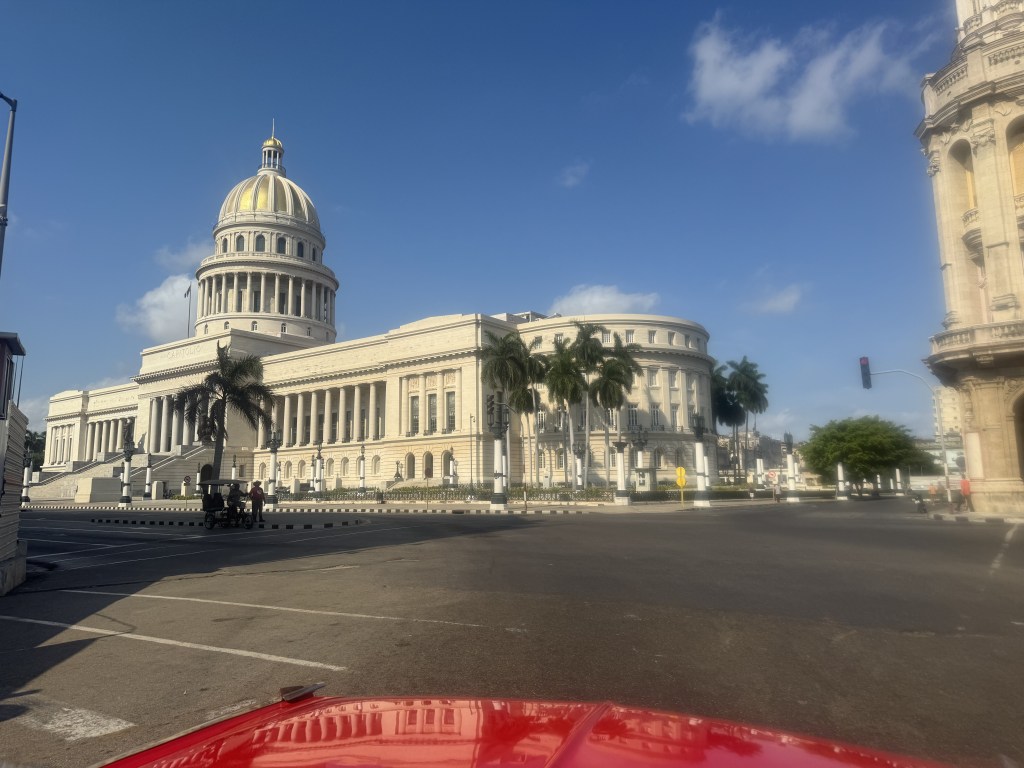
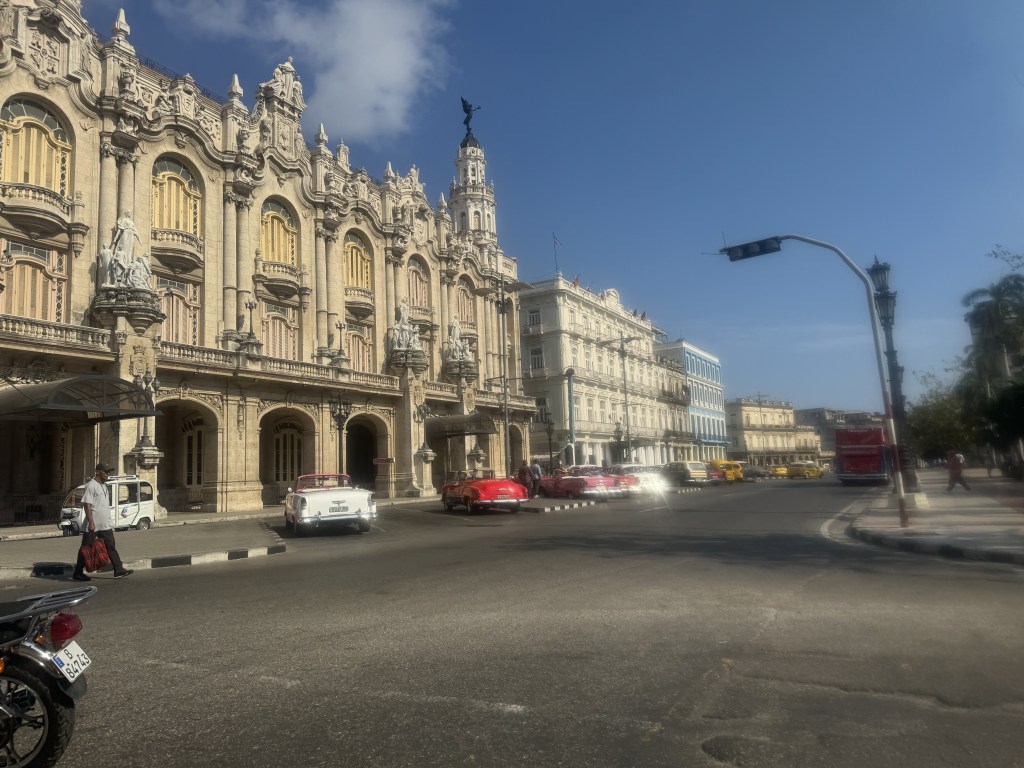
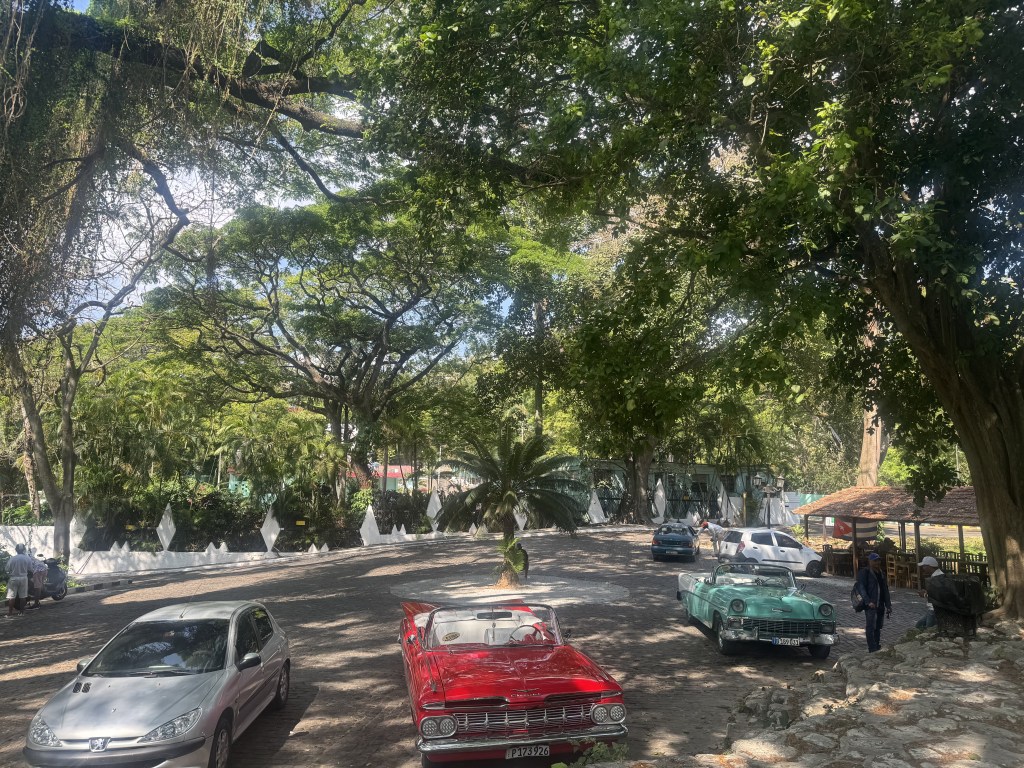
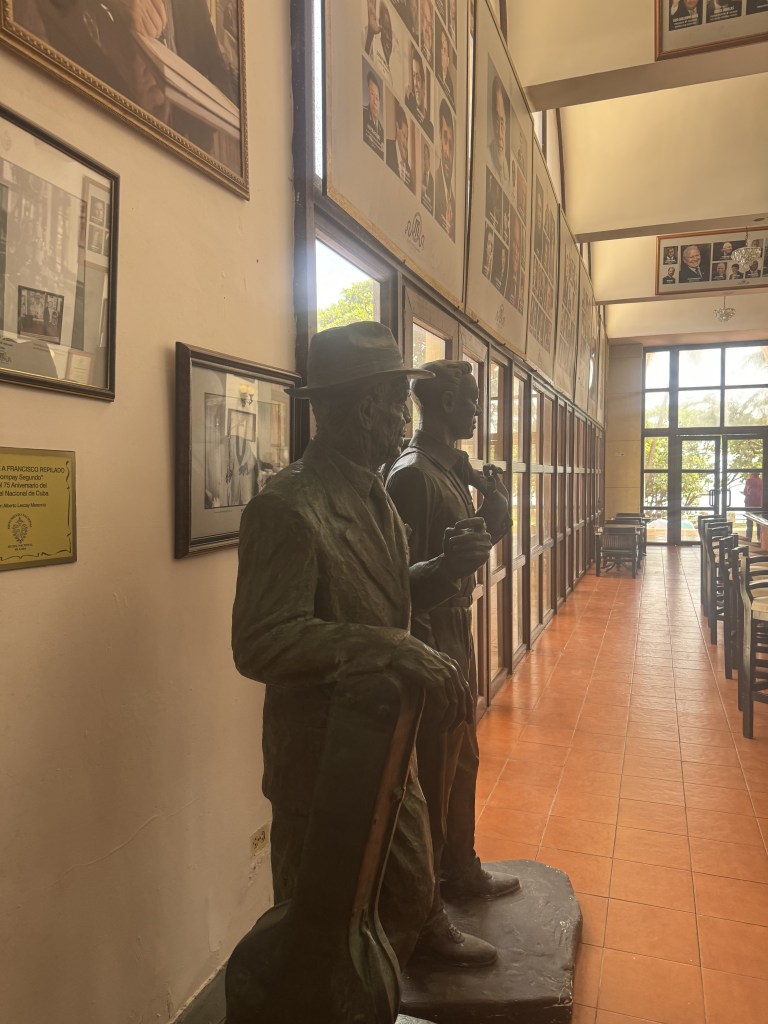
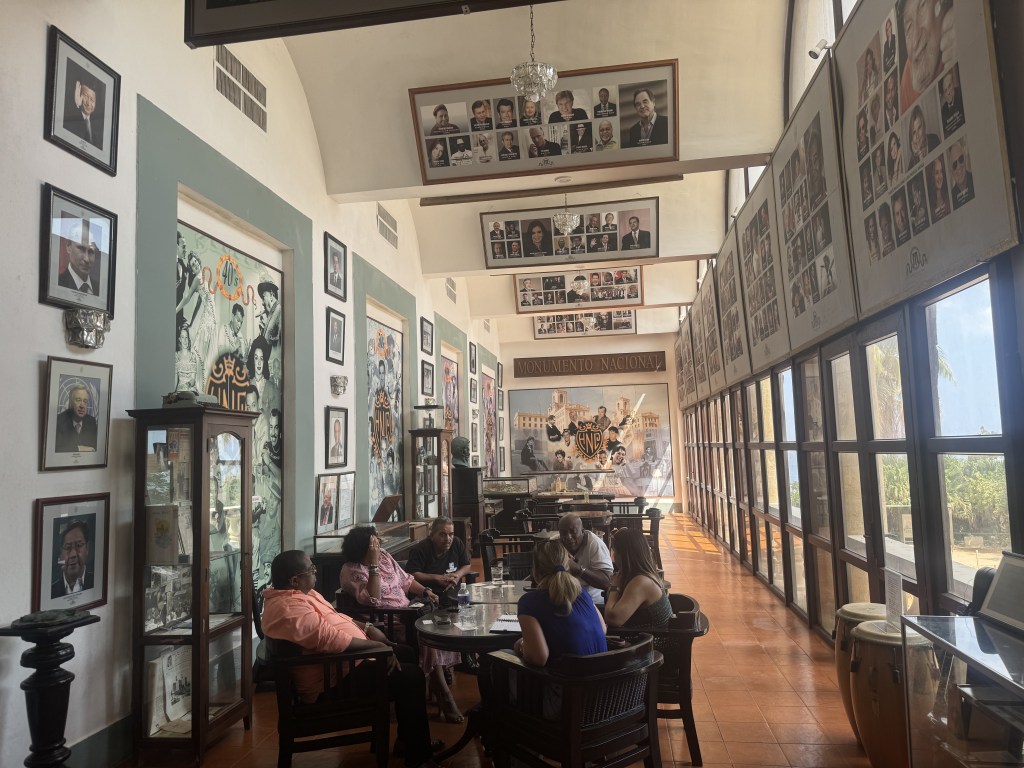
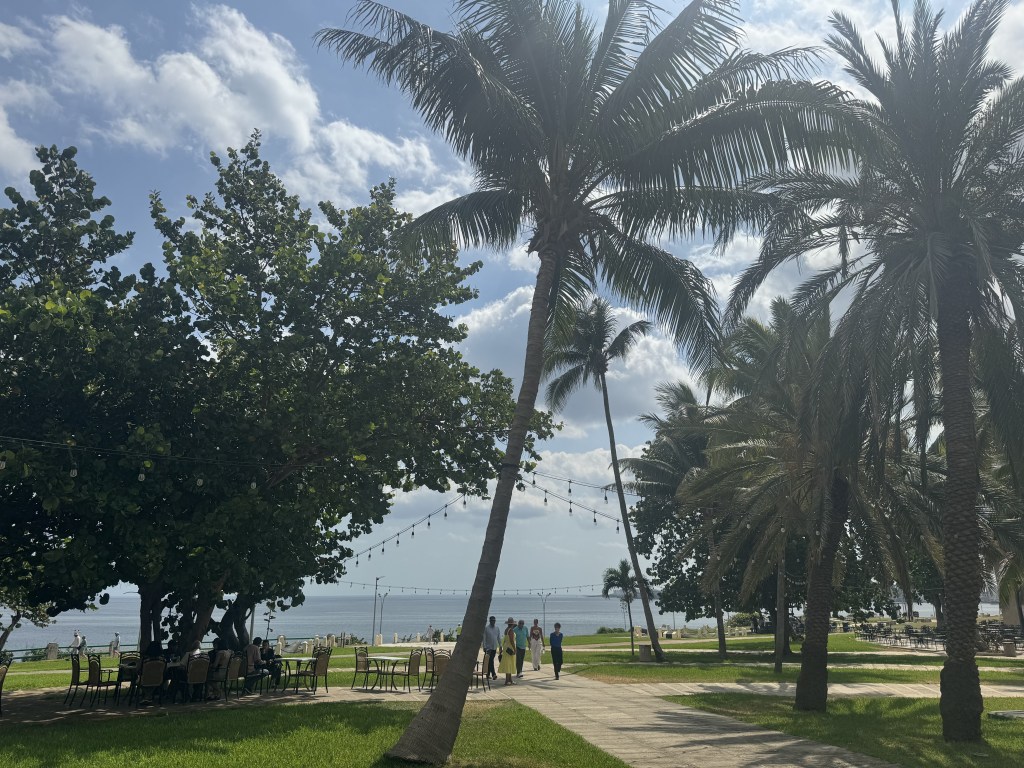
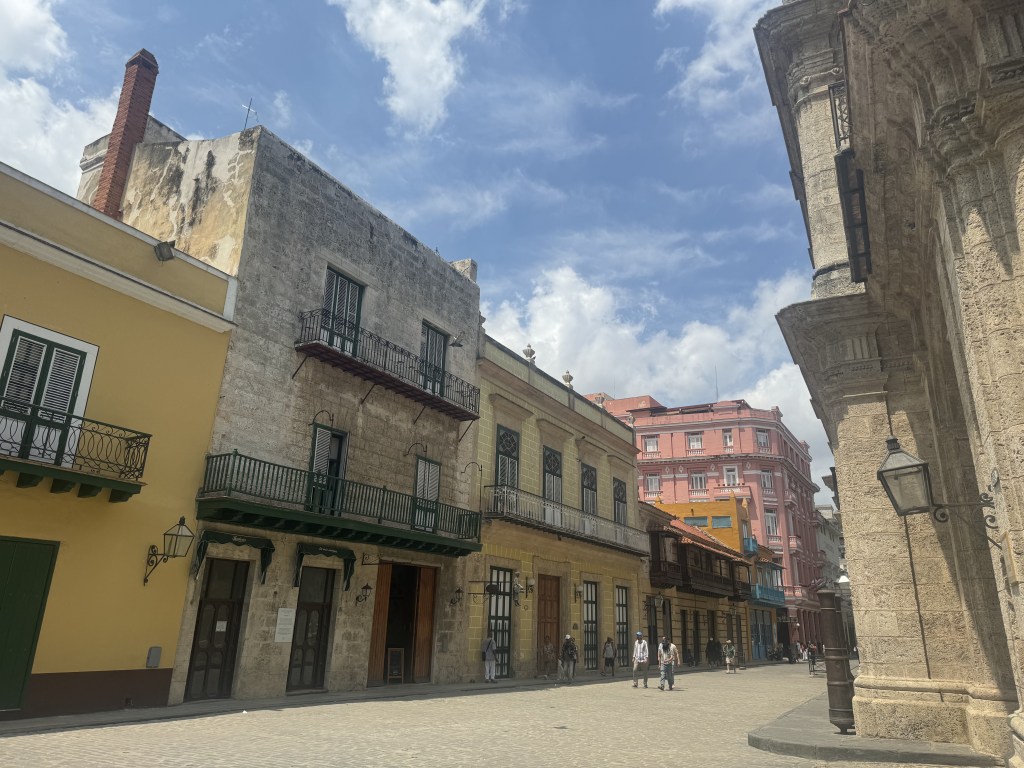
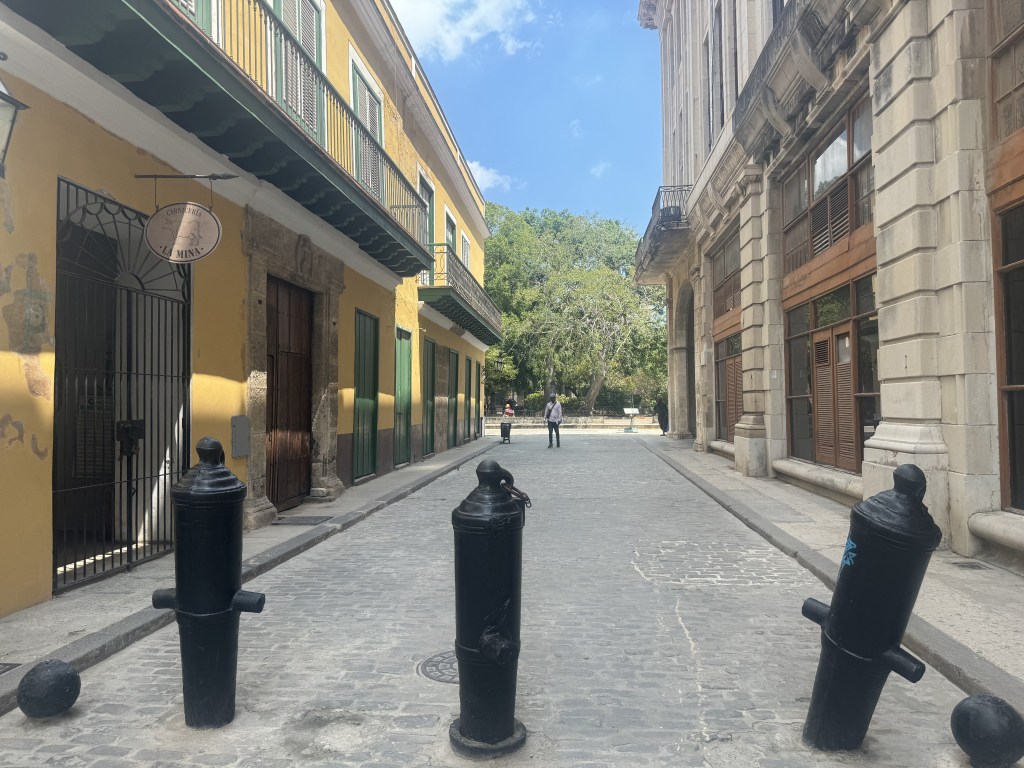
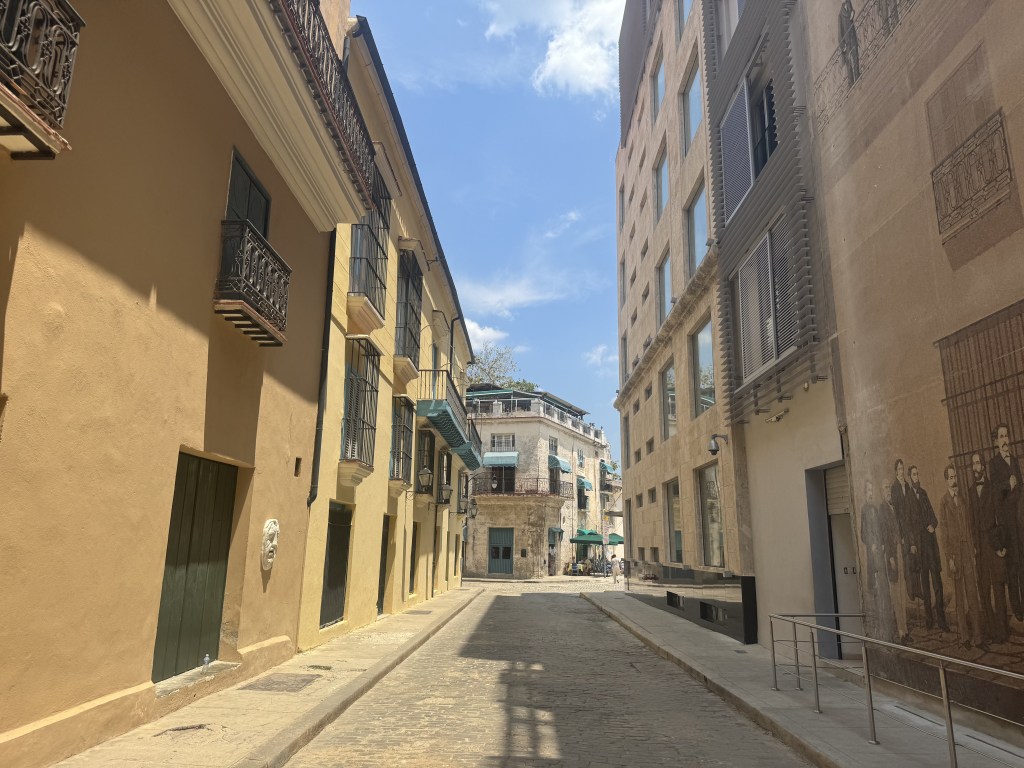
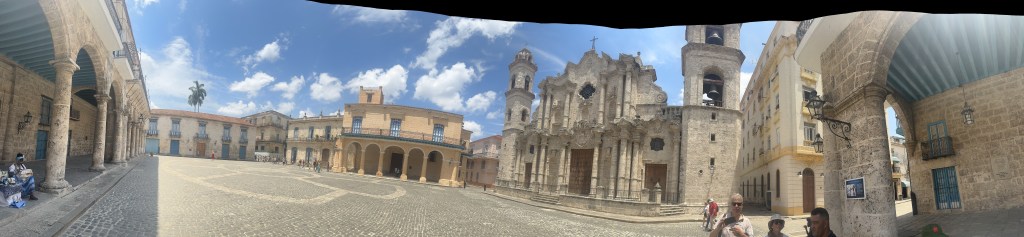
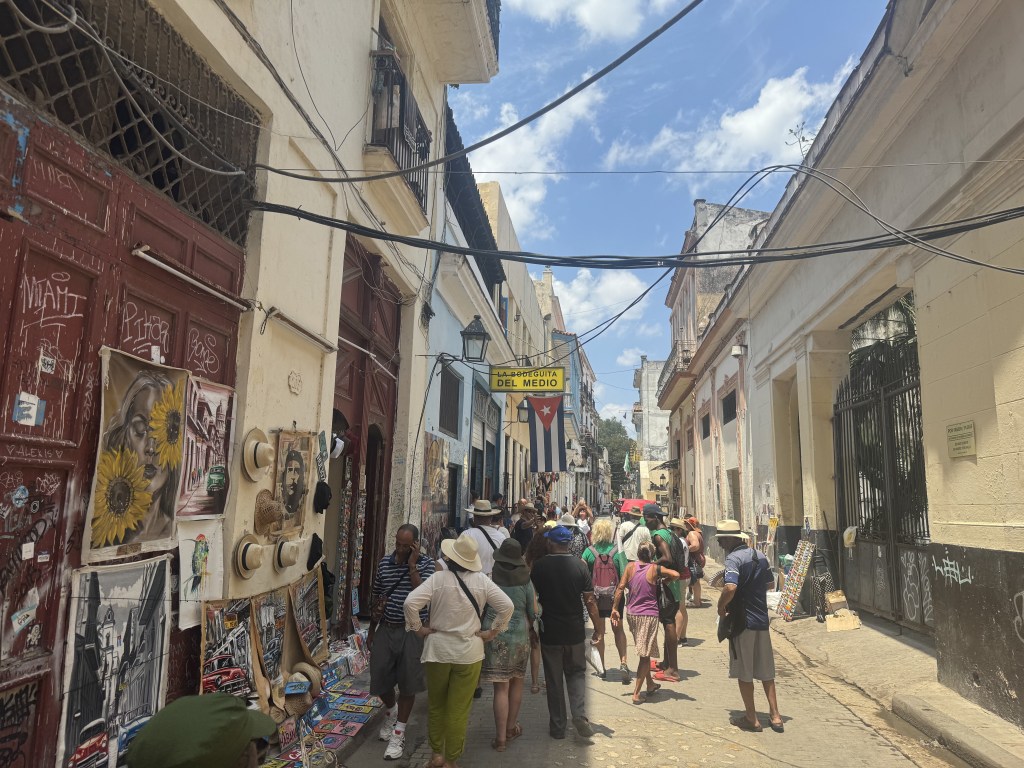
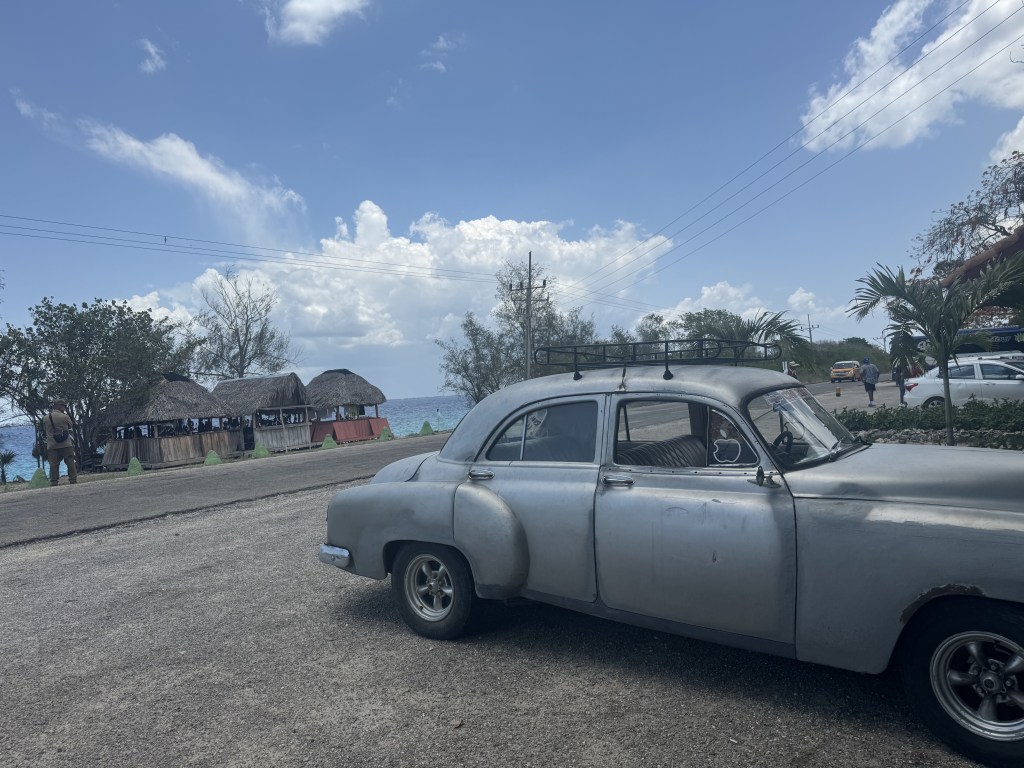
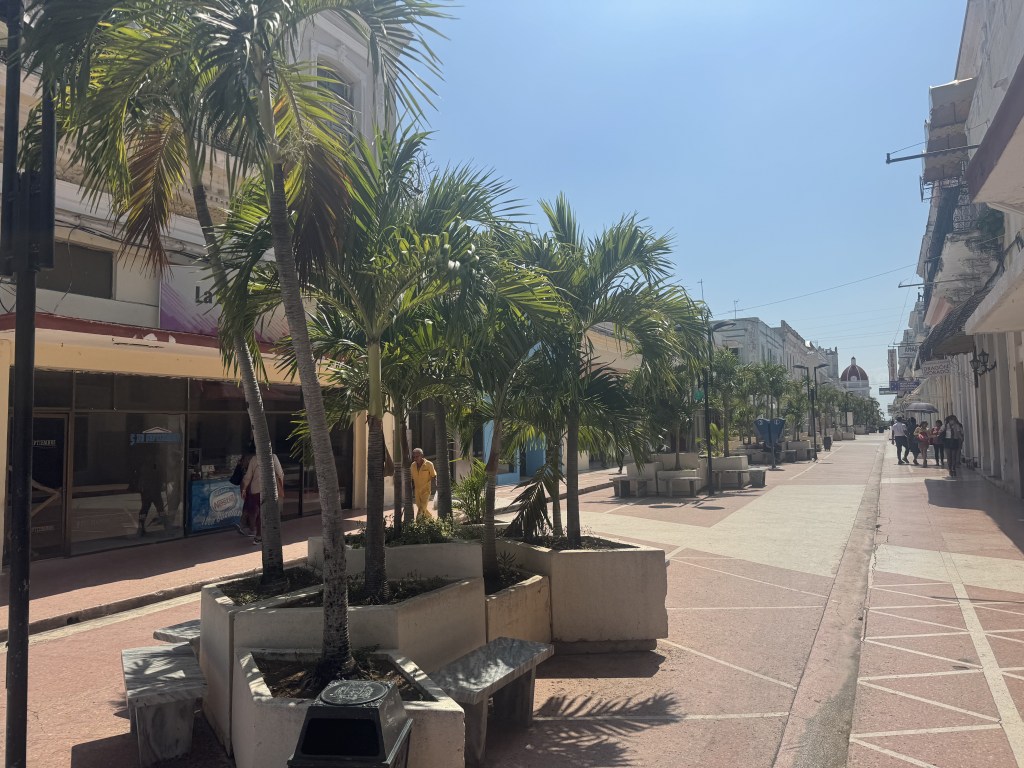
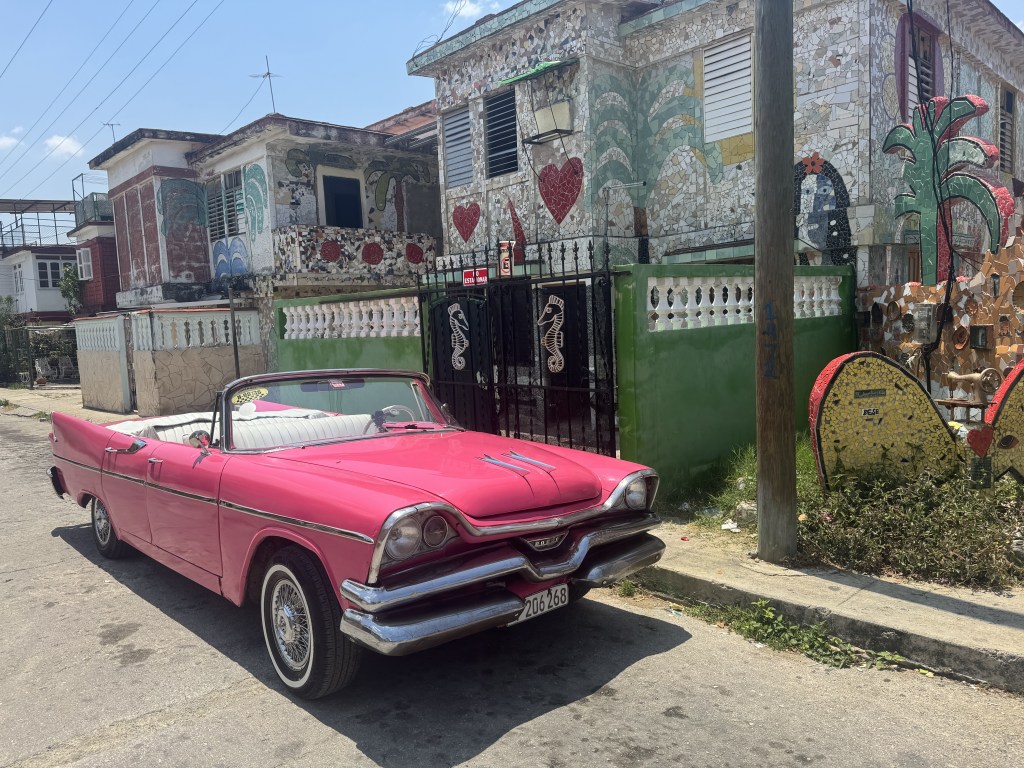
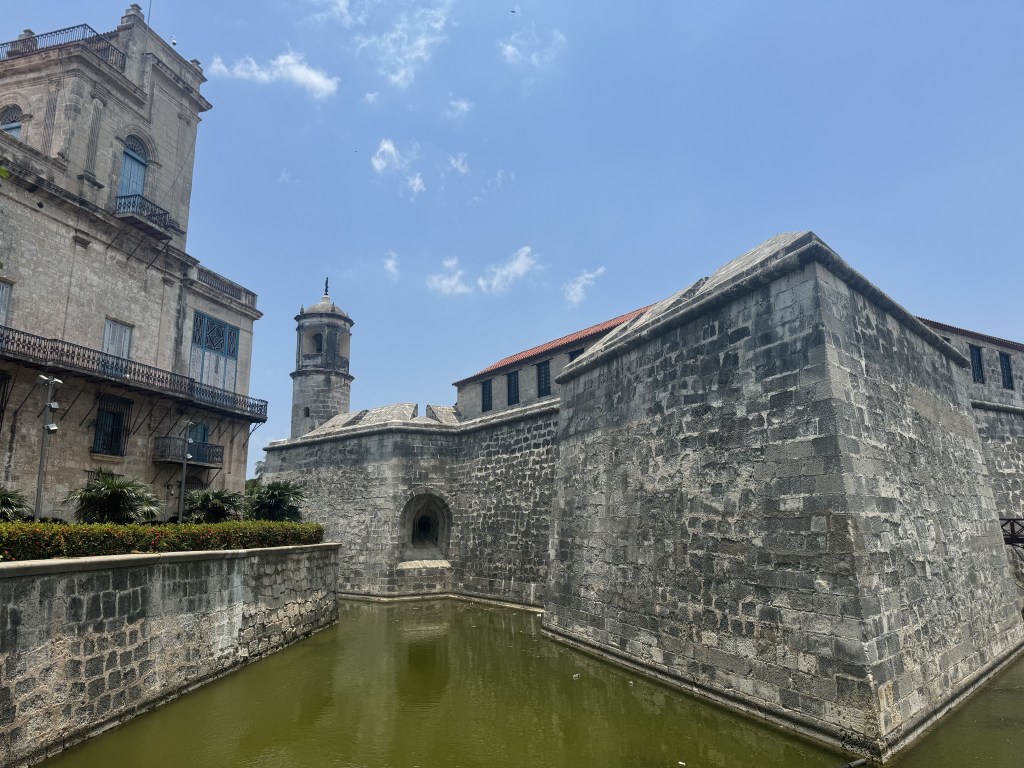
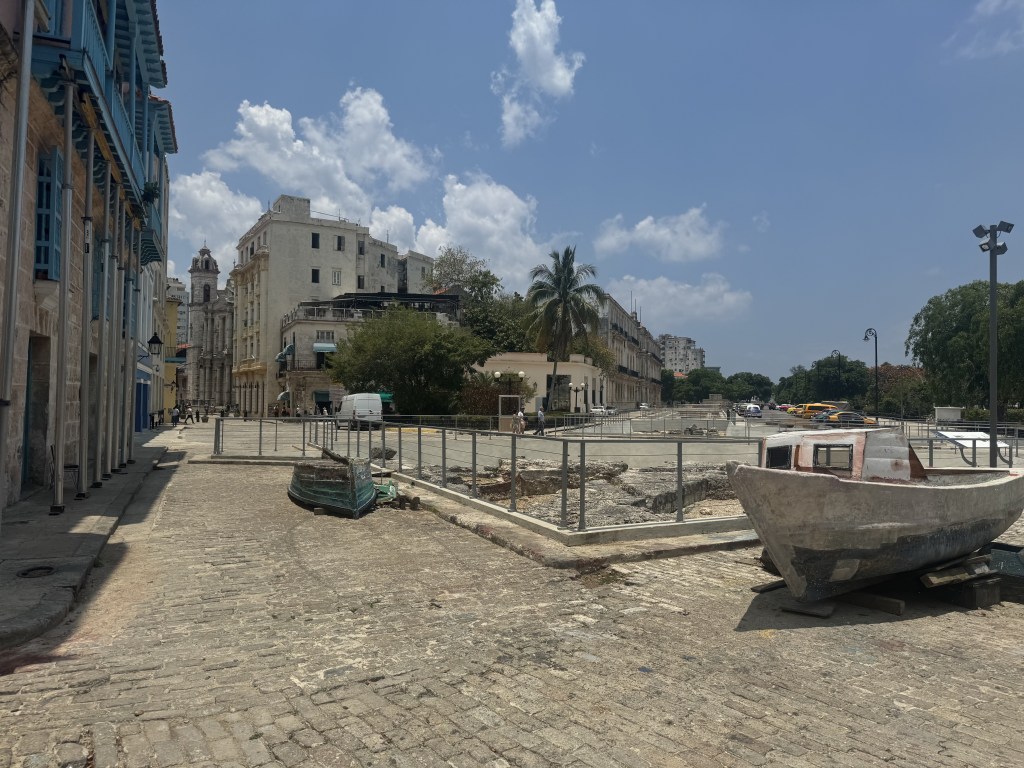
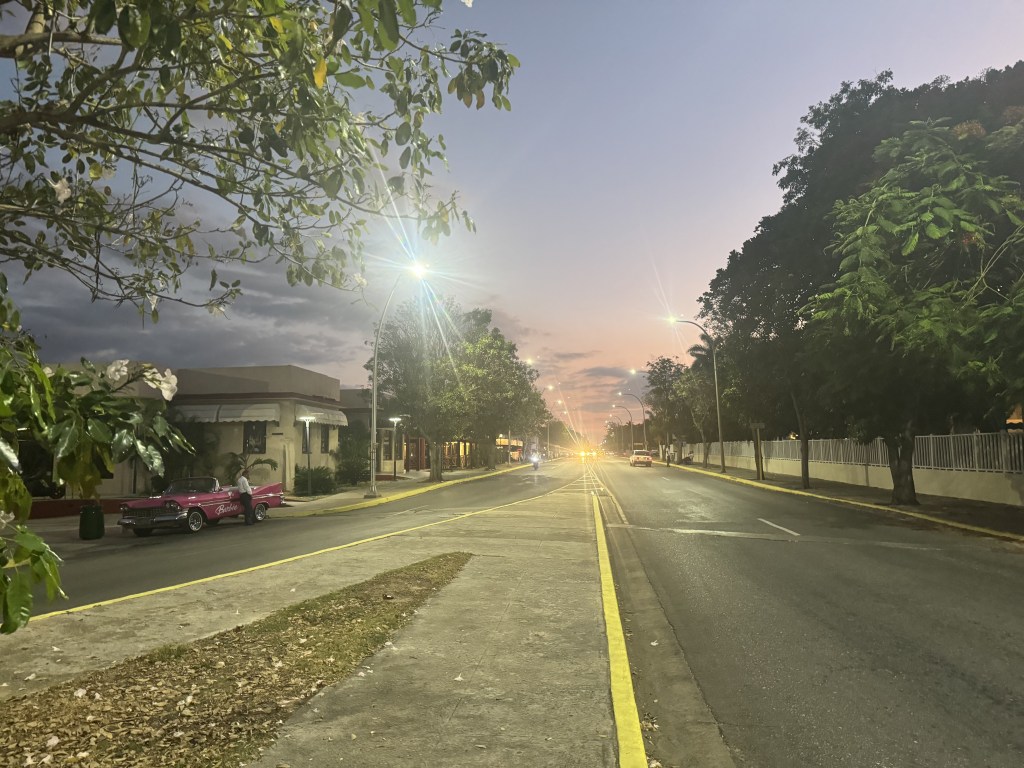
This trip, we were much more centralized to the action then last time, when we stayed in Central Havana in a busy, noisy neighborhood (still walkable – just much less centralized). Within a 10 minute walk was the waterfront and view of the old fort and all the historic sights of Habana Vieja, tons of bars and restaurants competing for your business via English-speaking street help ($10-15/per gets you an amazing meal with a drink or two and live musicians playing for you). The “real (ie. local) downtown,” Central Havana was also closely connected as was the government center and fancy classic car tours waiting to show you around anywhere for $1.
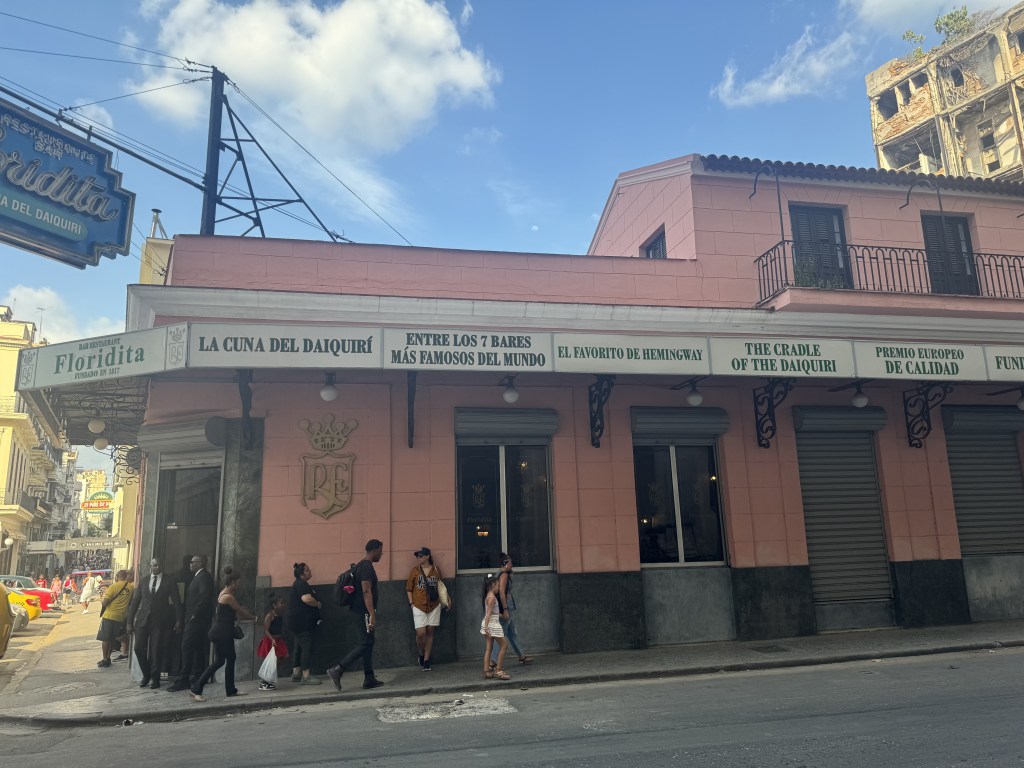
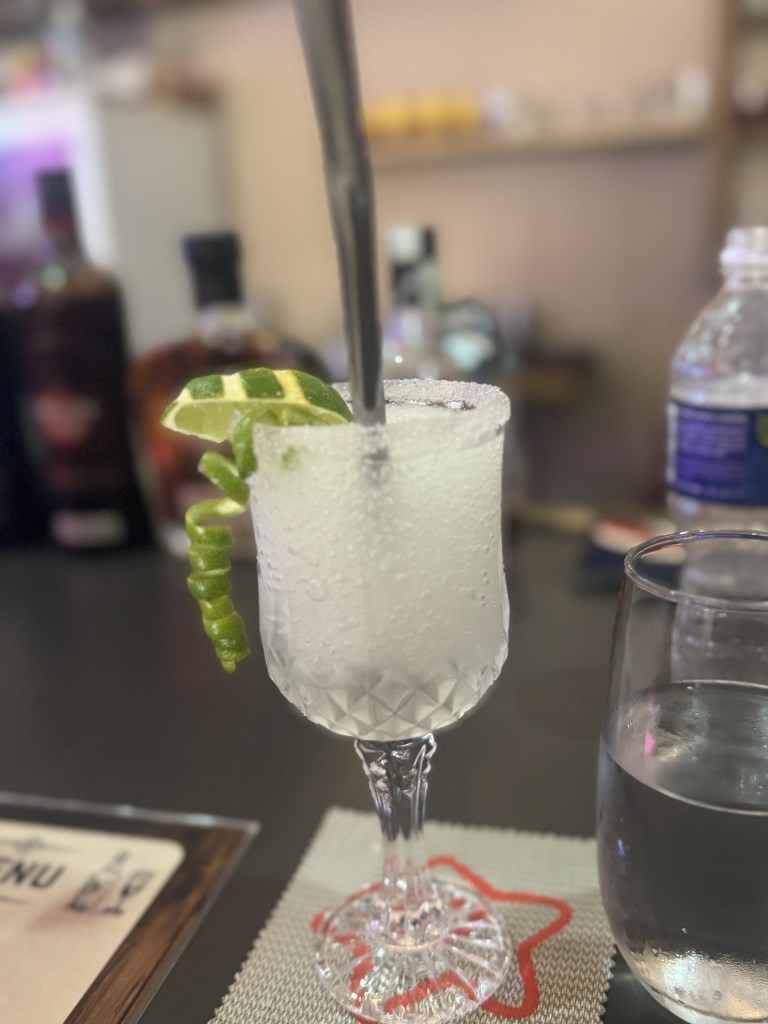
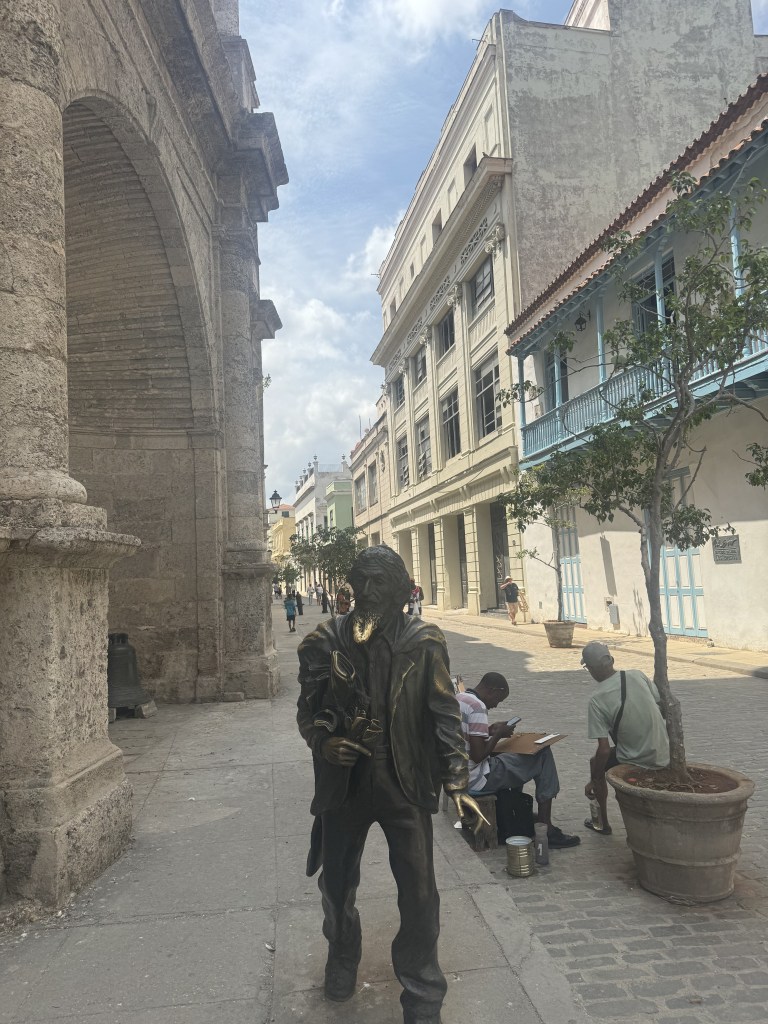
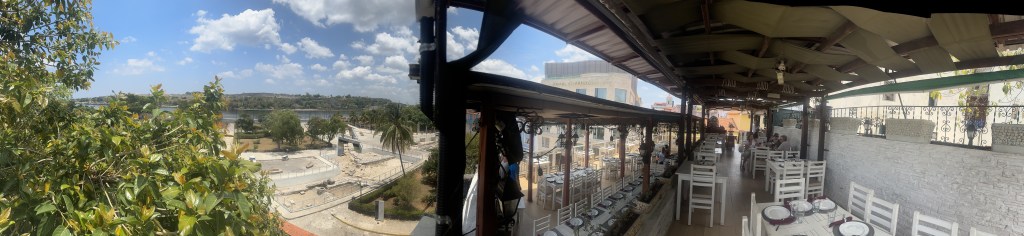
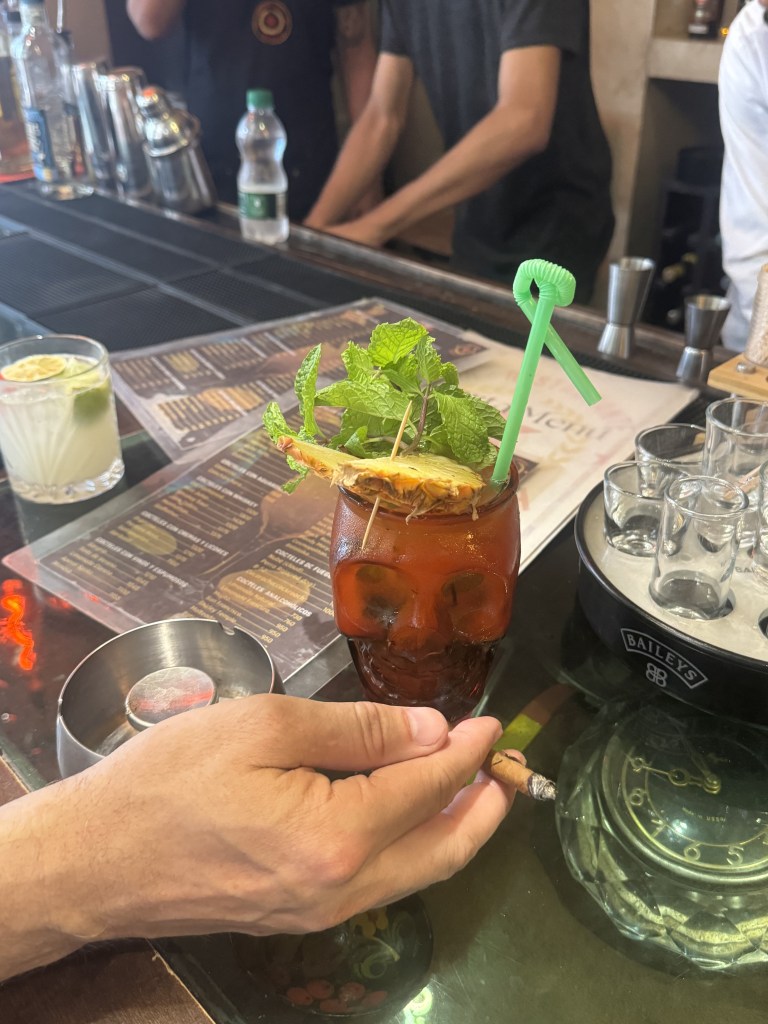
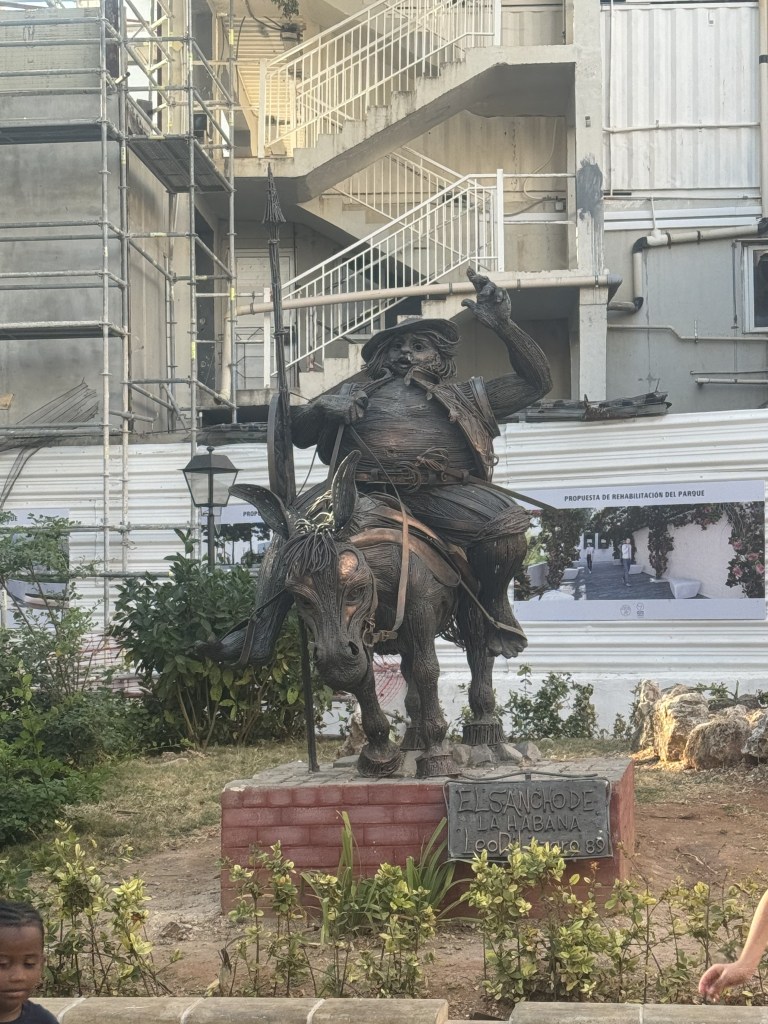
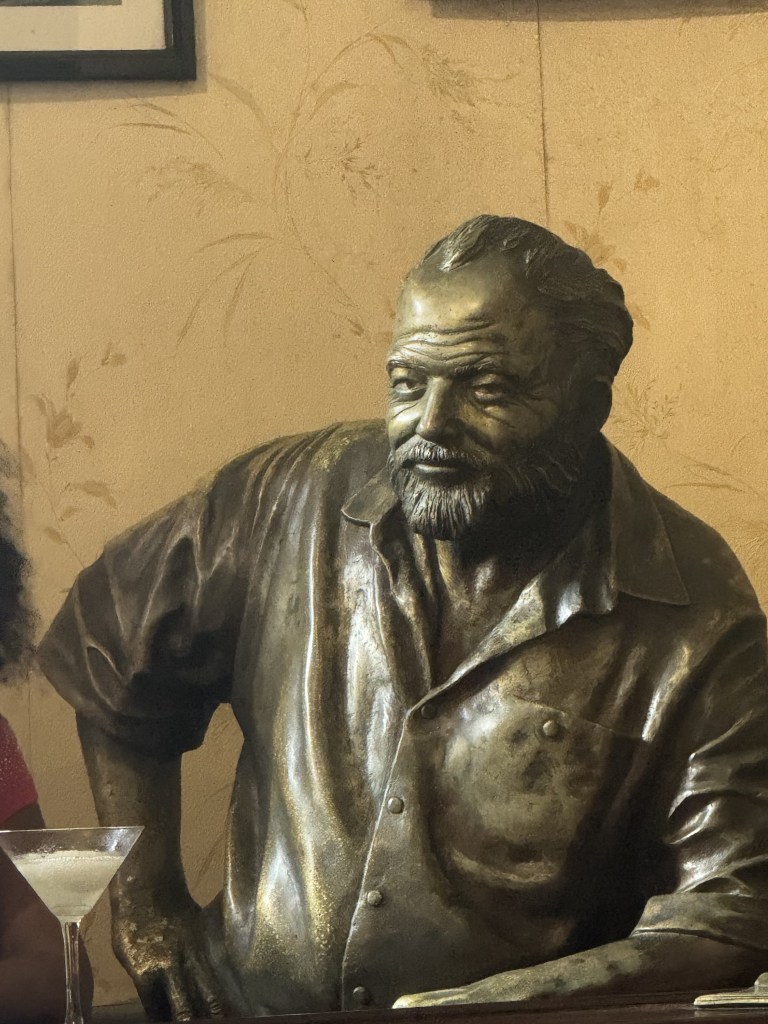
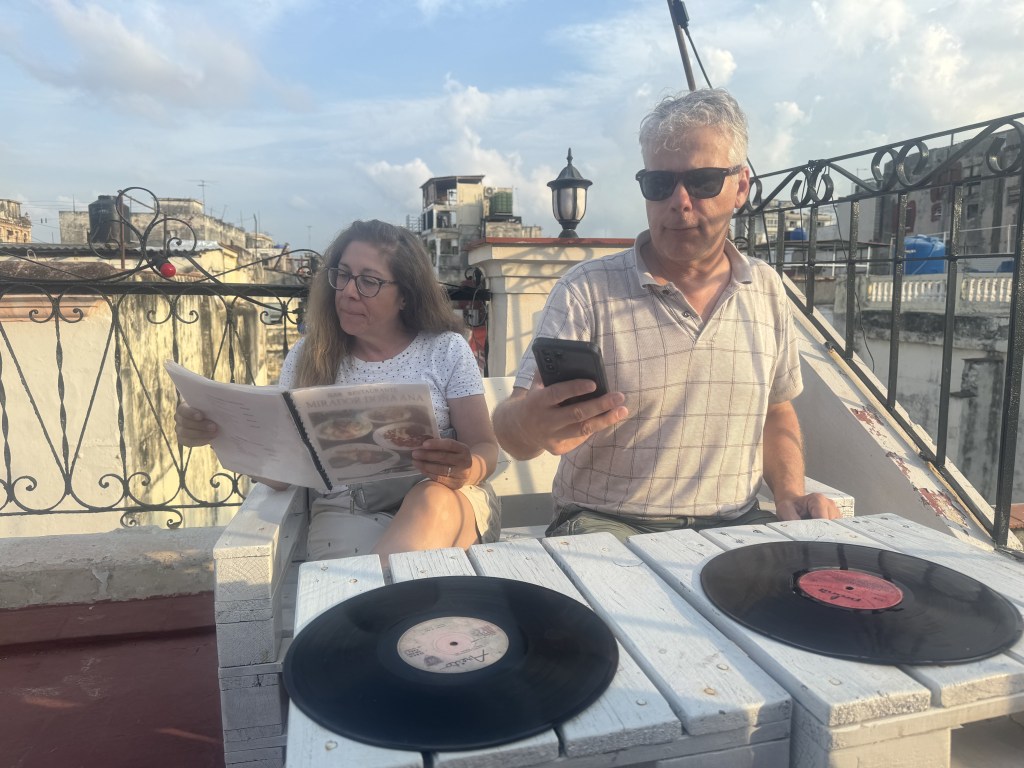
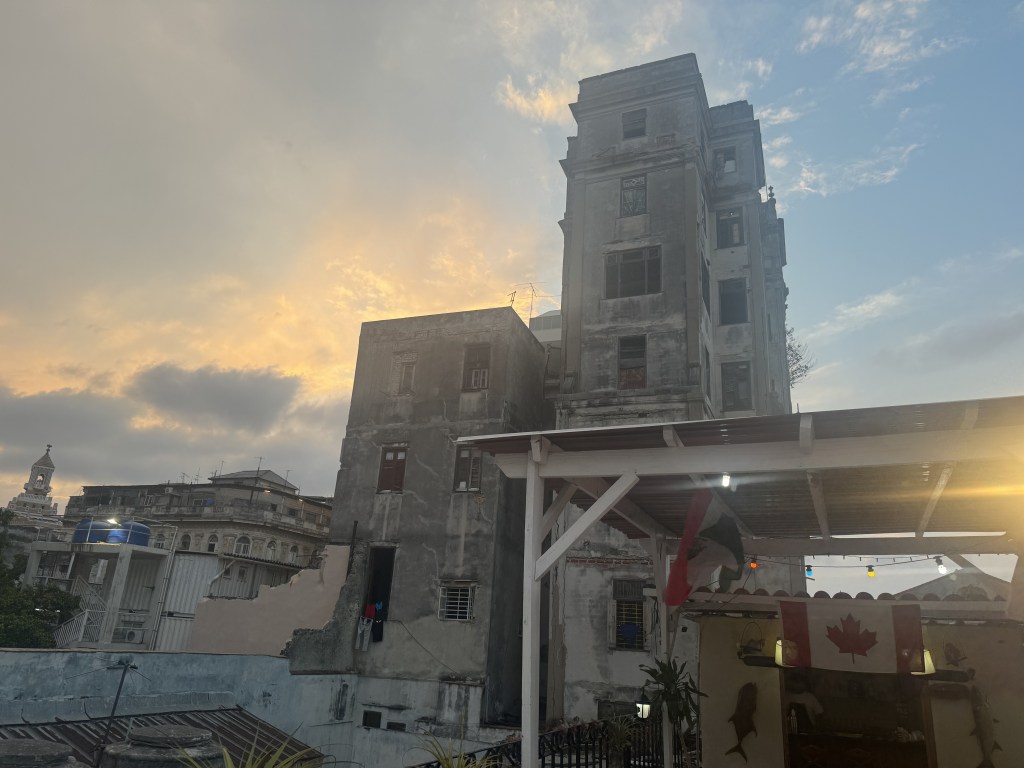
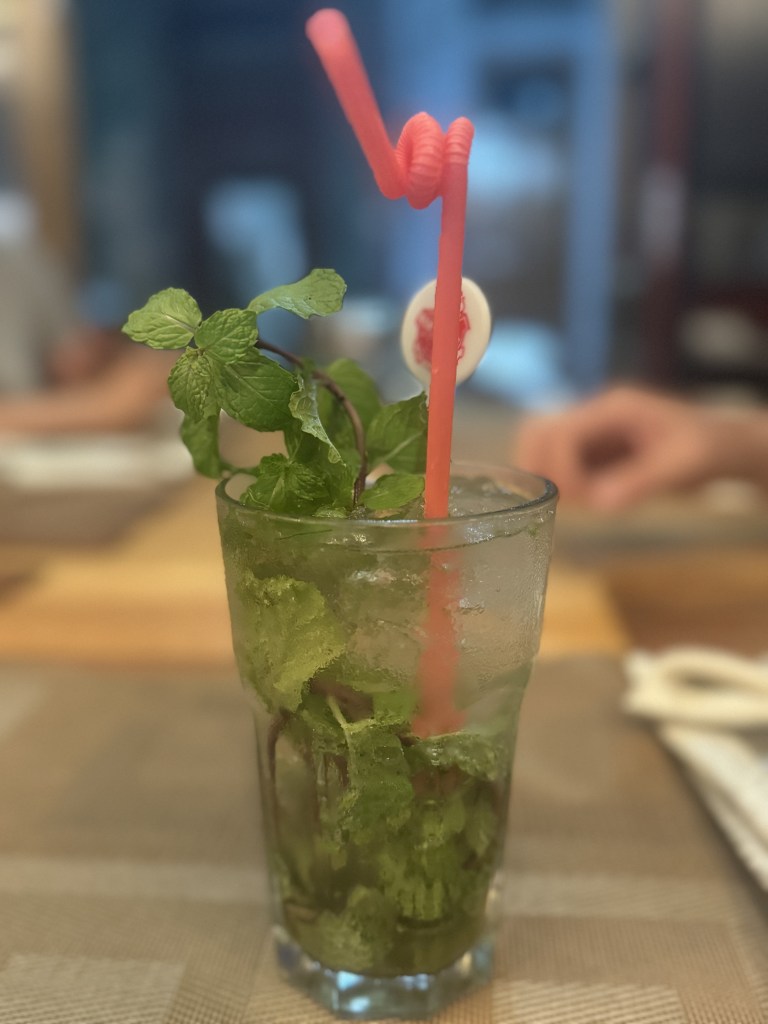
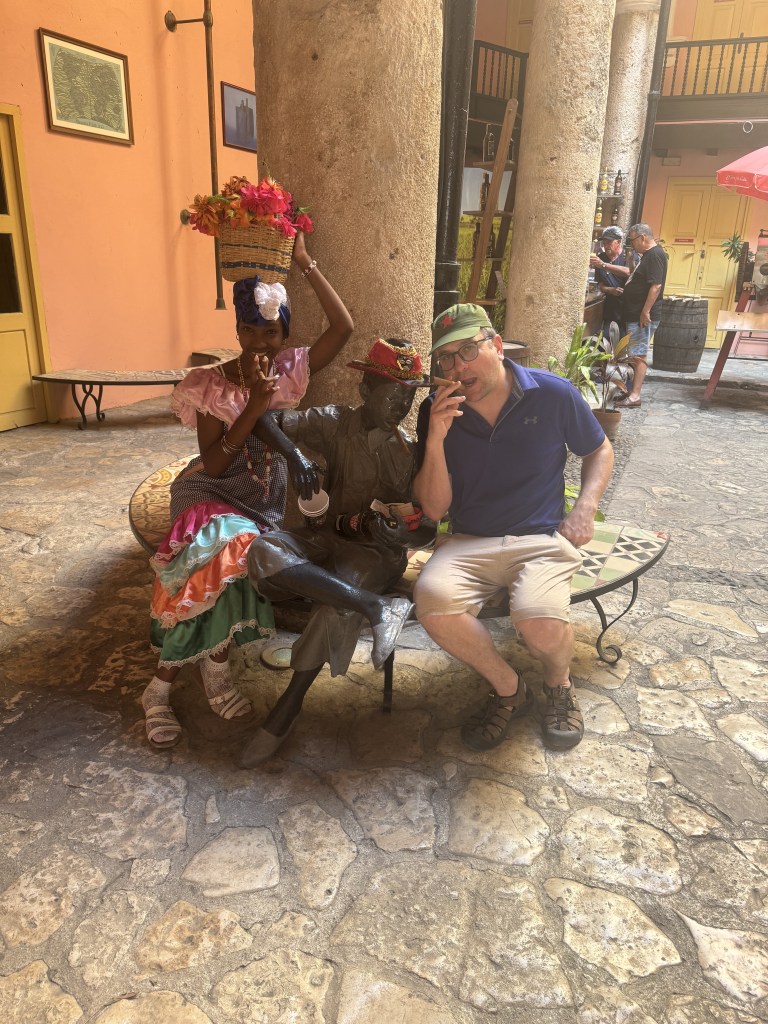
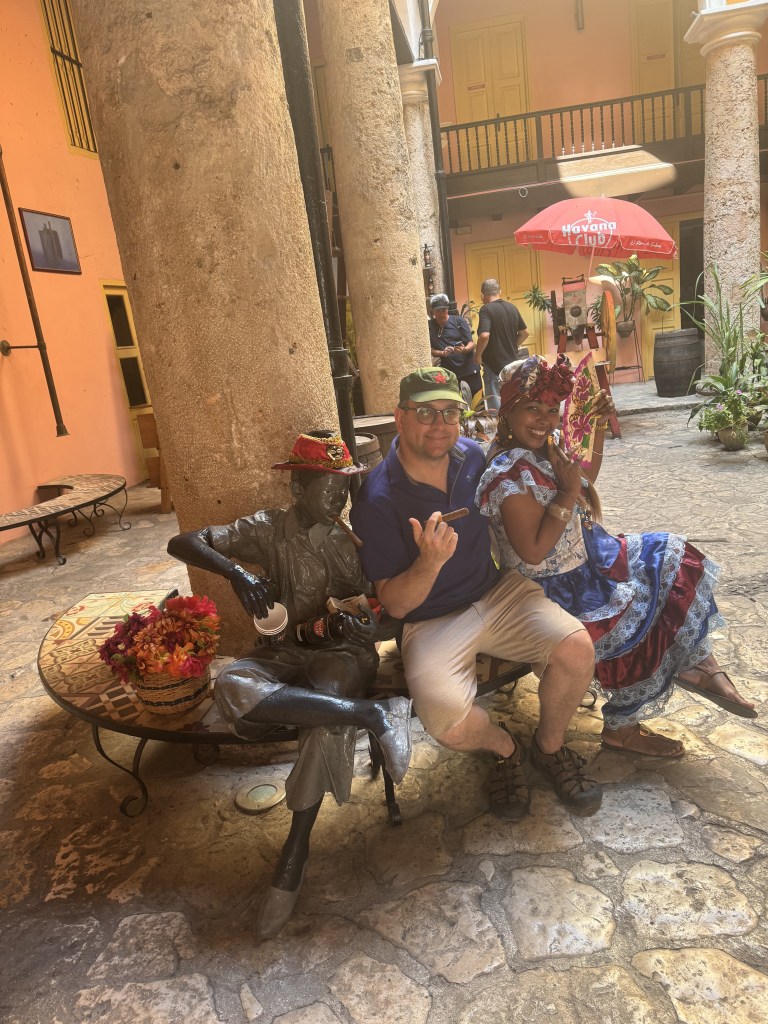
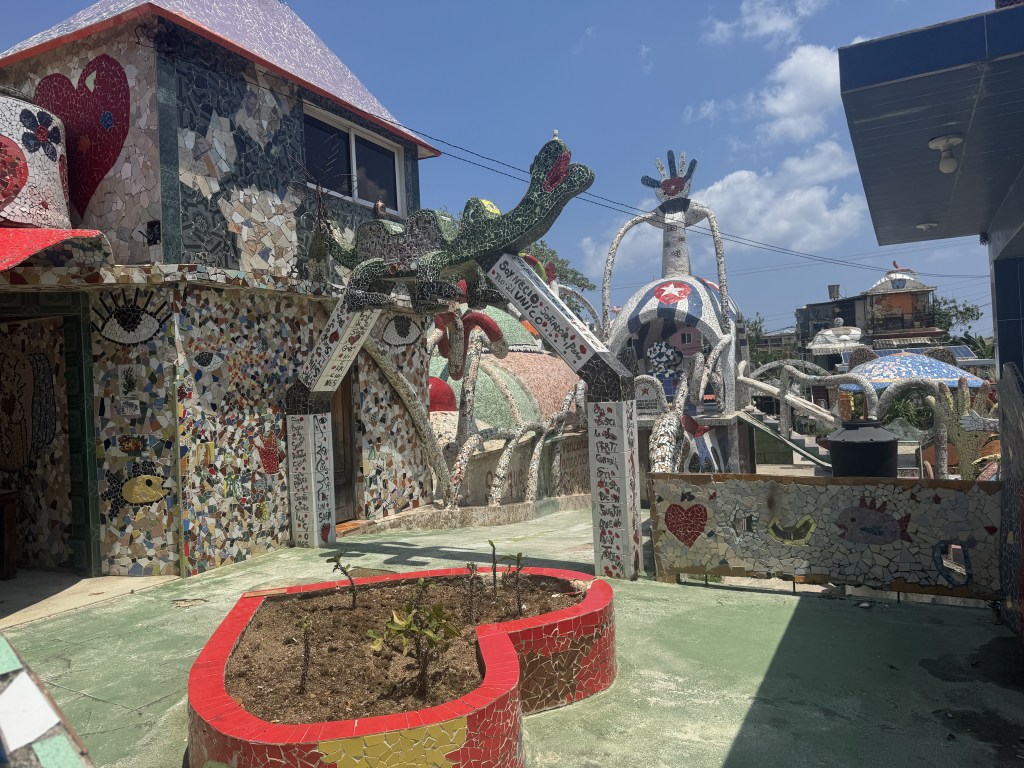
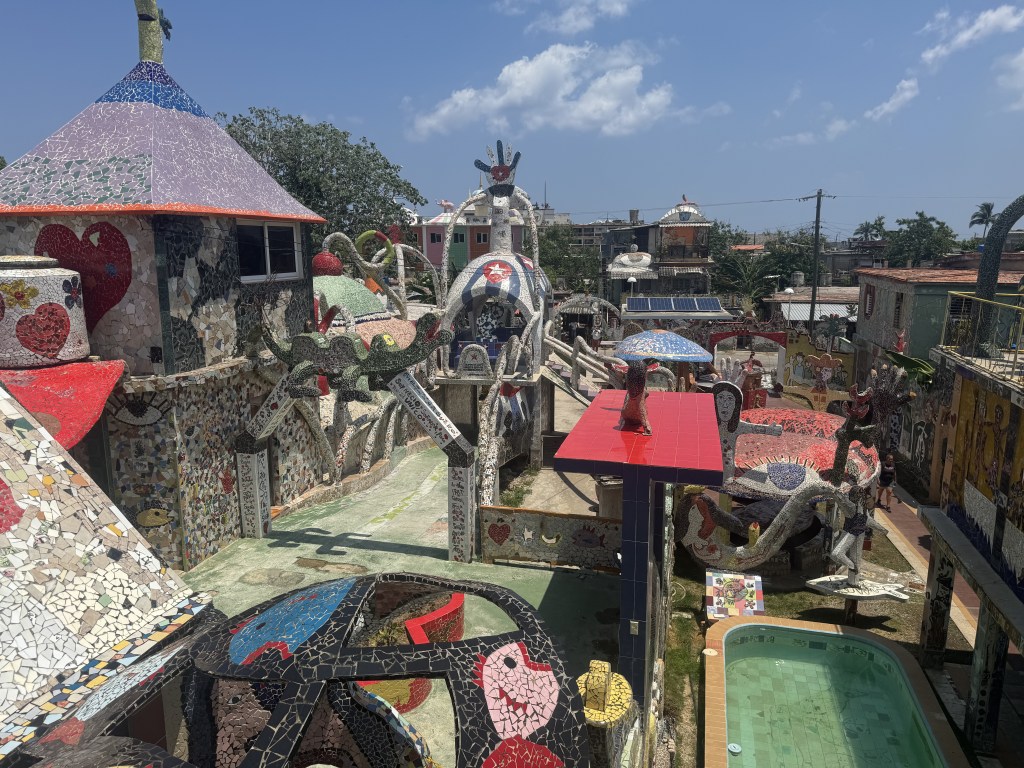
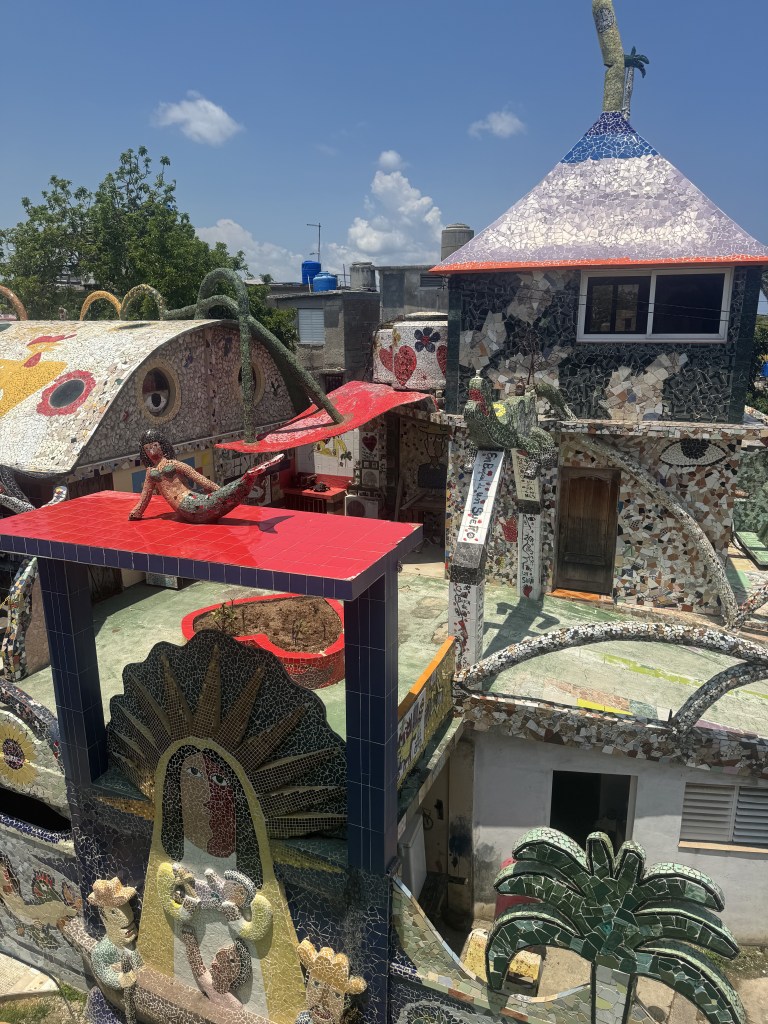
Highlights were rooftop dining with city and water/fort views and watching a Afro/Cuban parade (orisha / Santeria) with procession dancing by on stilts, having the famous cocktails at the original source of the rum (aged rum tastes like good scotch), mojito and daiquiri with the likes of the statue (and spirit?) of Hemingway, all the food and musicians and the sheer beauty of the old ruins, city parks including a Gaudi Park Guell-like porcelain creation and restored historic grandeur.
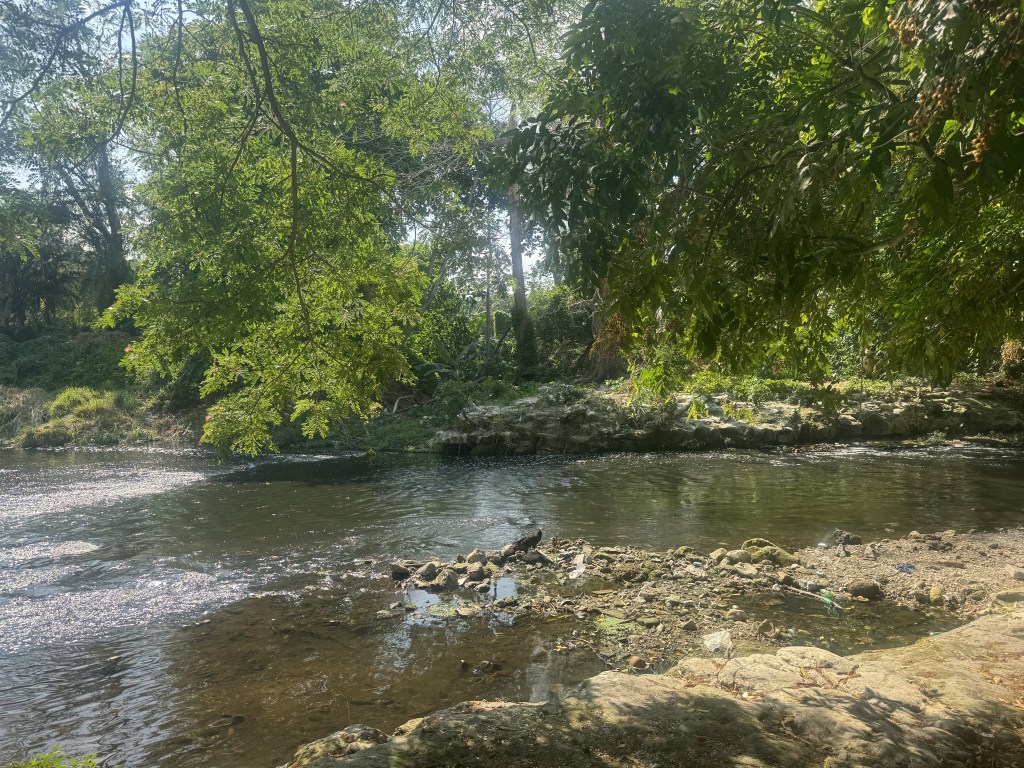
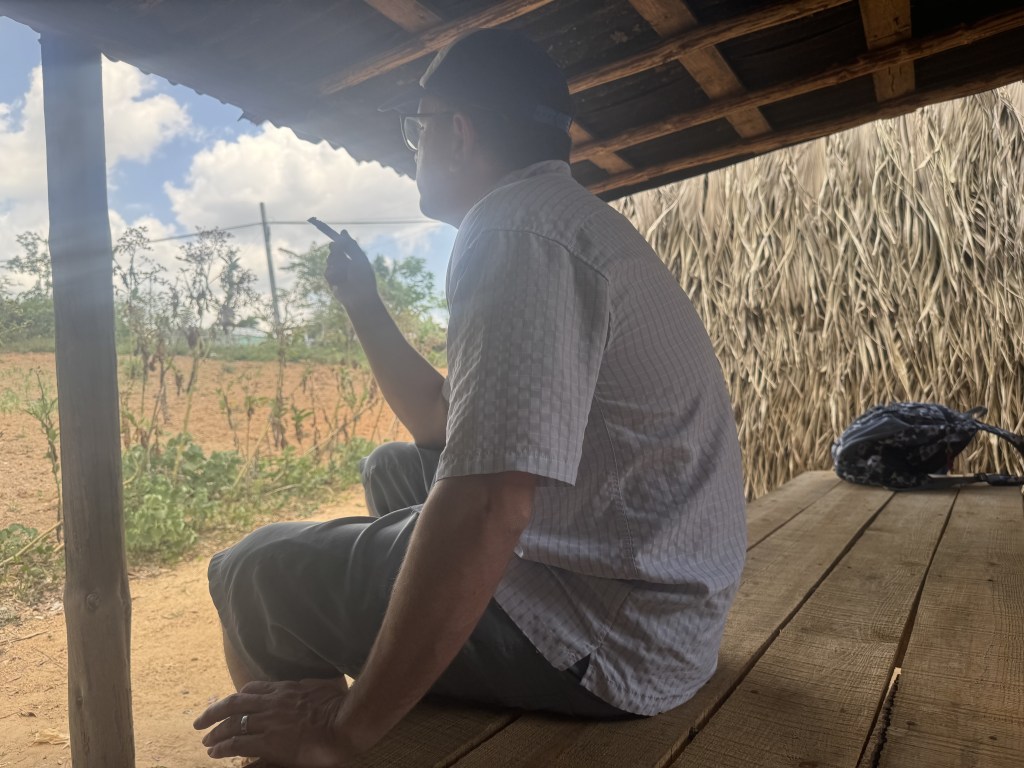
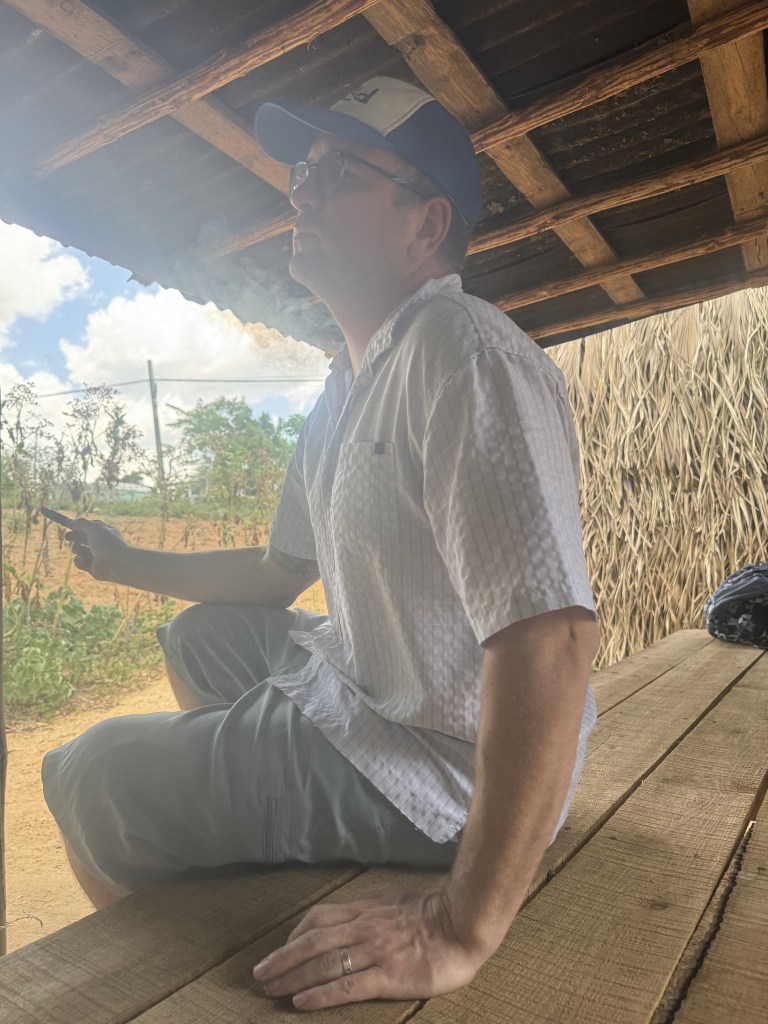
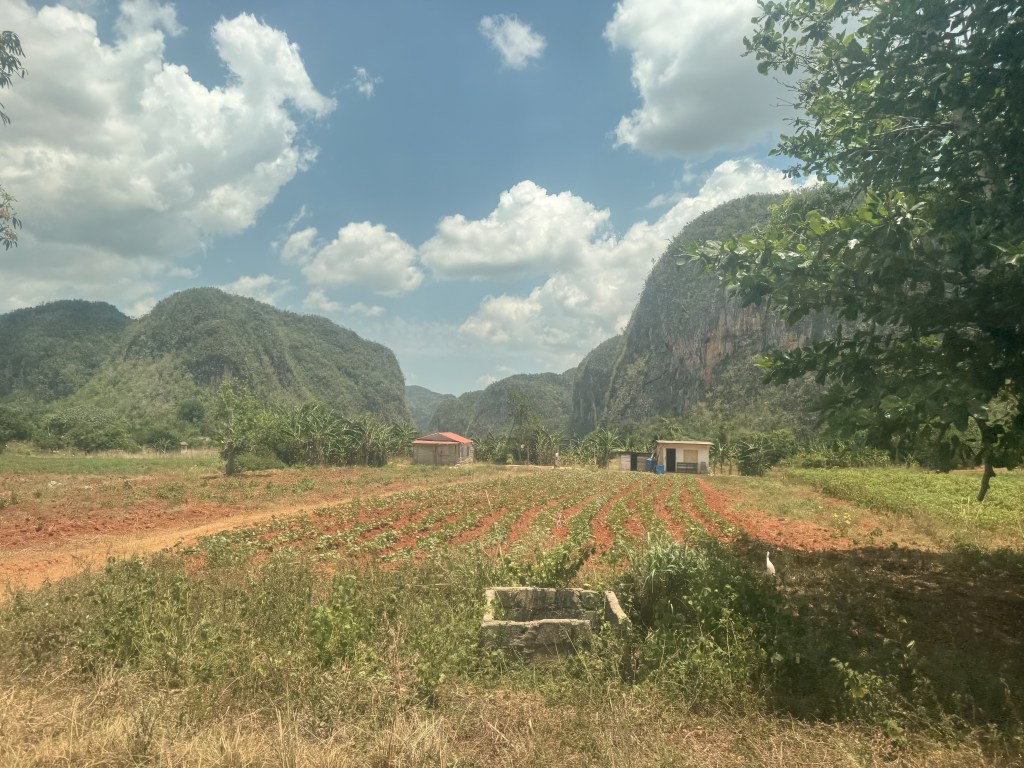
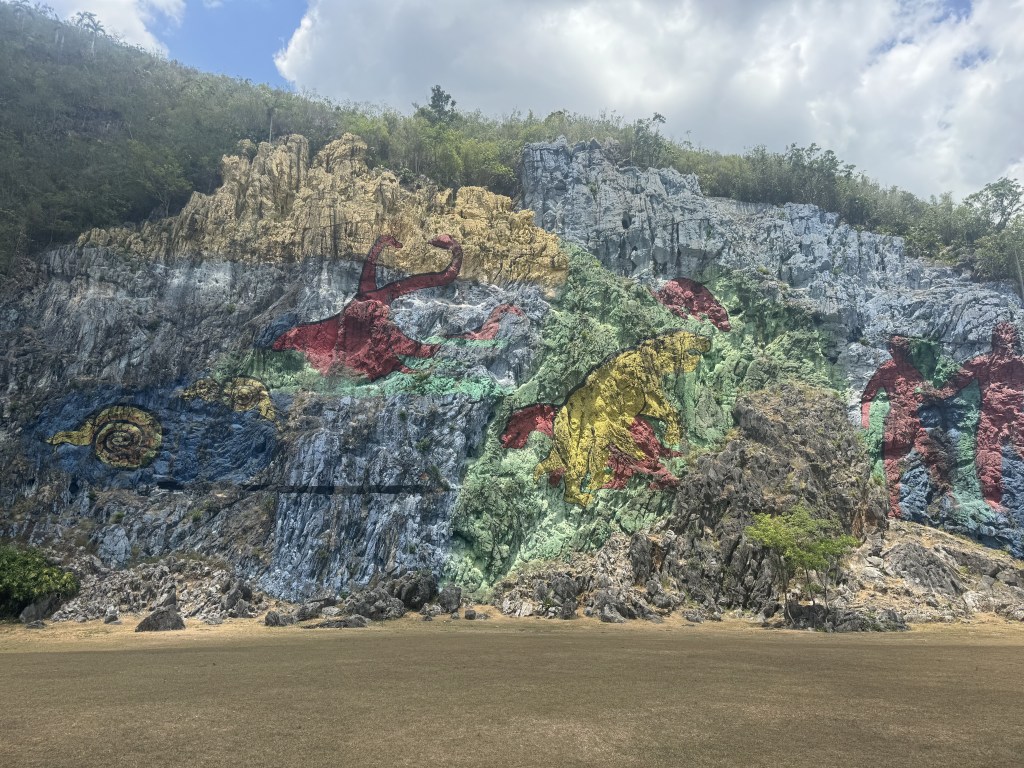
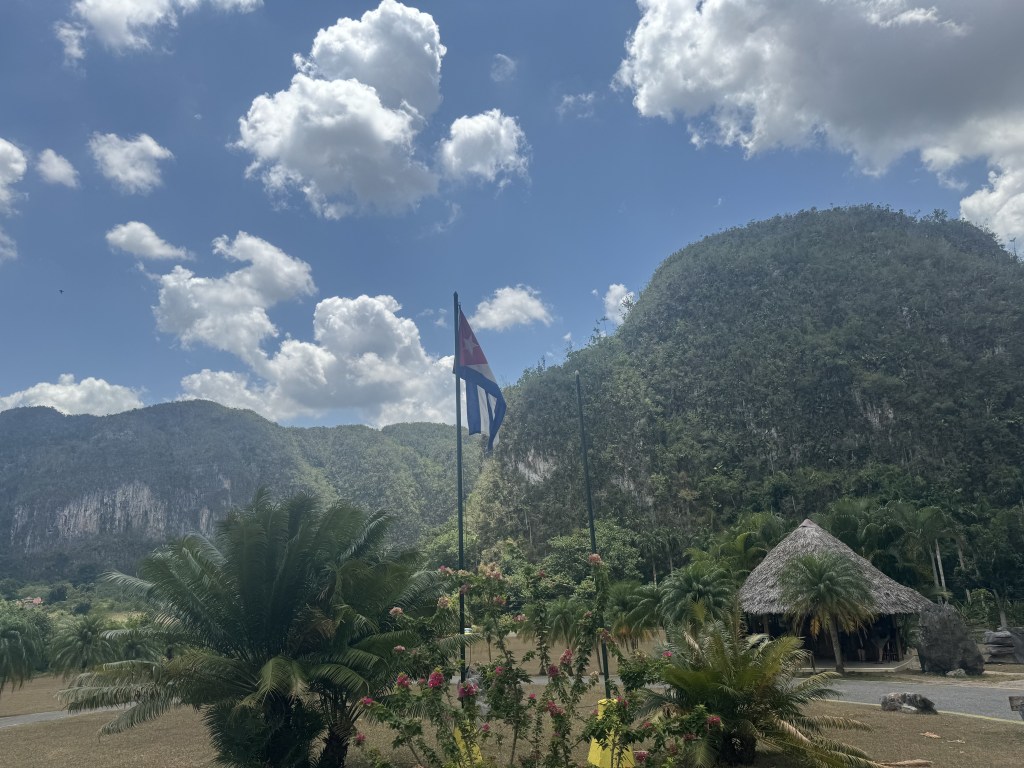
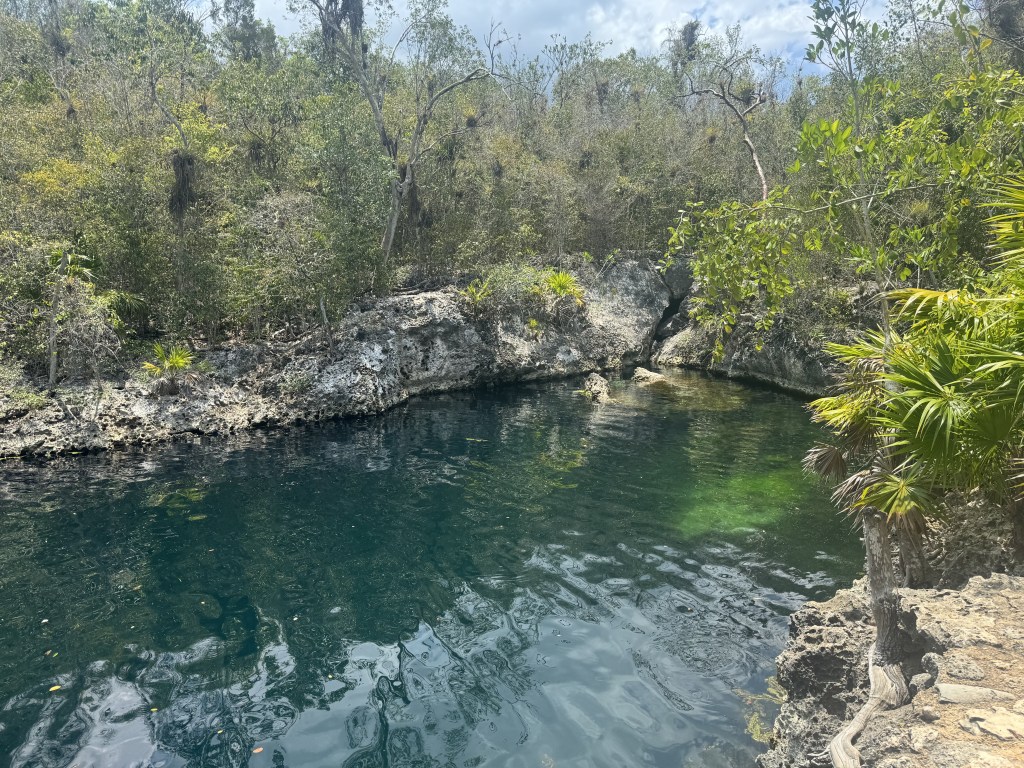
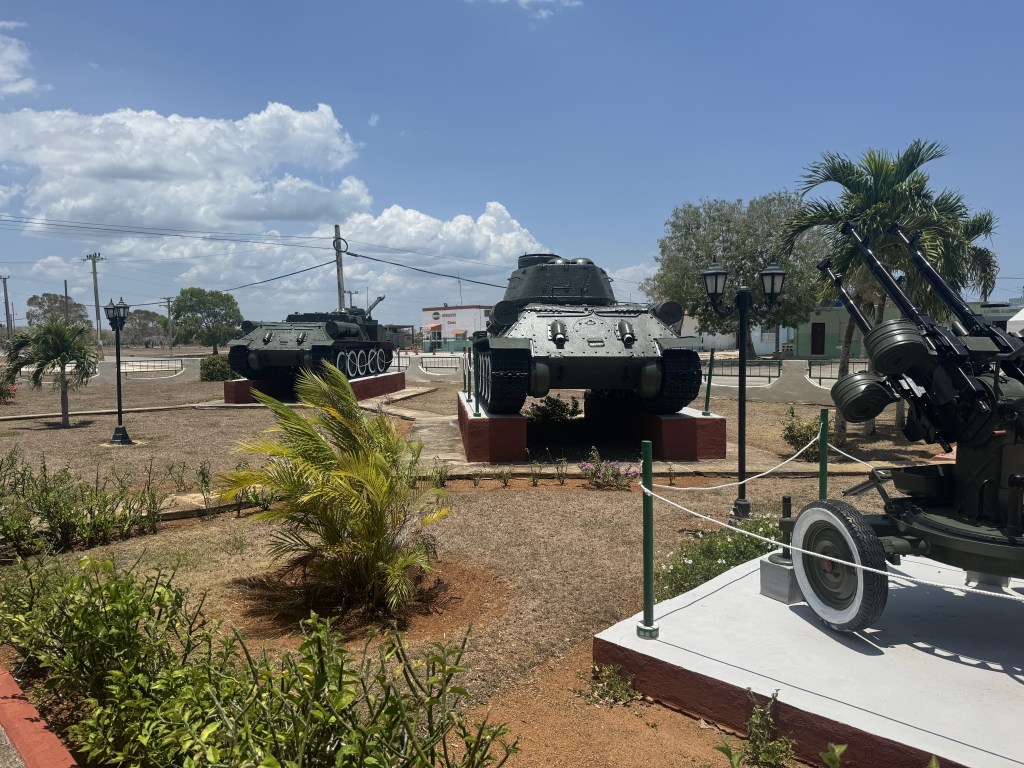
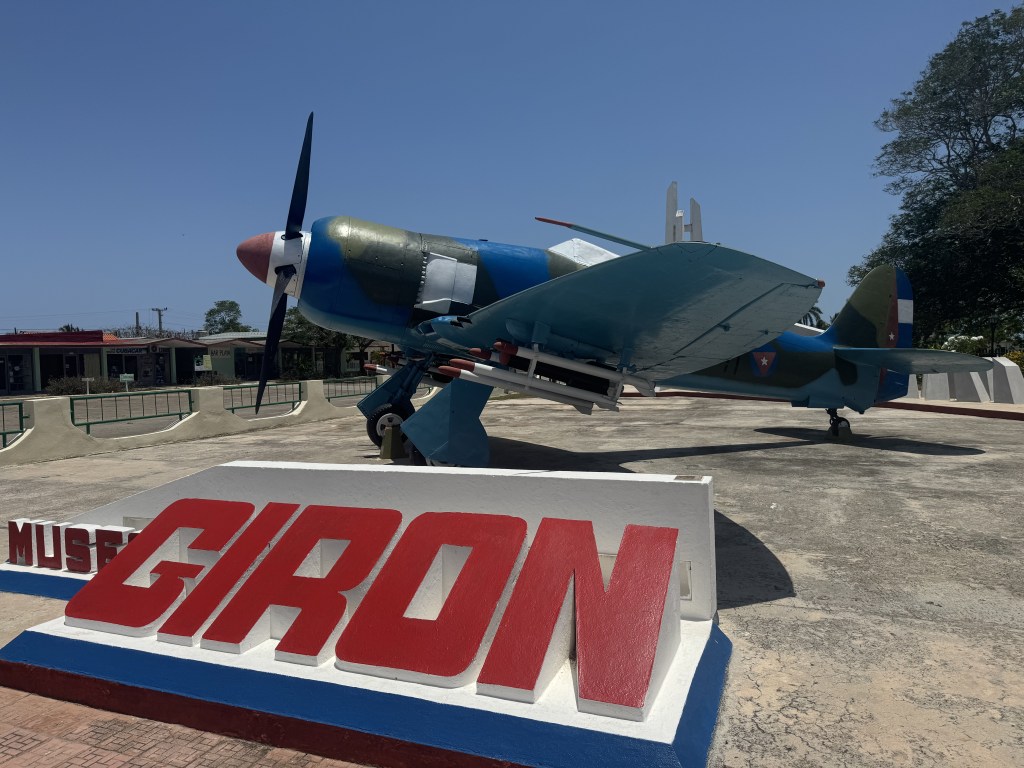
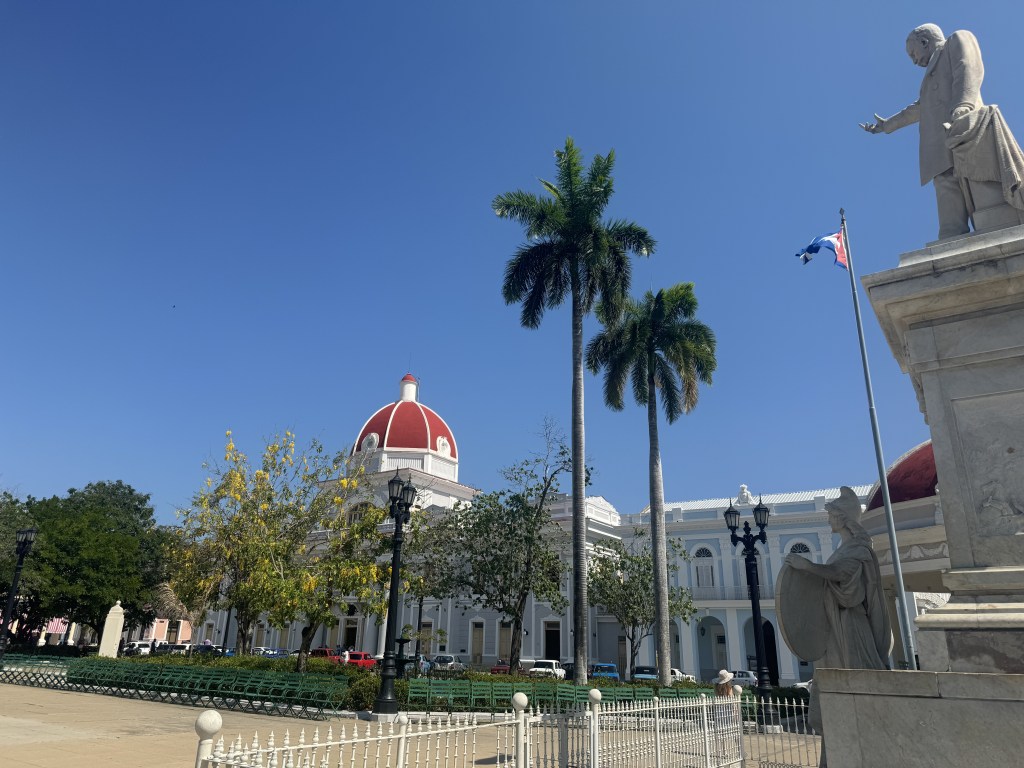
Having experienced the vibrancy of Havana nights (and days), I was most excited about the chance to get out of the city and experience the countryside, beaches and towns. Luckily, as part of our 8 day tour, we had 4 nights and an extra day to sightsee across the largest island in the Caribbean. Highlights included: exploring the West Cuba mountains and caves by boat and a special Cuban cigar farm and tour (here’s how they do it), visiting the endangered Cuban Crocs at the Zapata Swampswimming in the legendary reefs around the Bay of Pigs and Fish Cave cenote, learning about the war history around the Bay of Pigs at the Garon Museum (years of civil war of which we unsuccessfully intervened) and popping through the old colorful colonial French town of Cienfuegos.
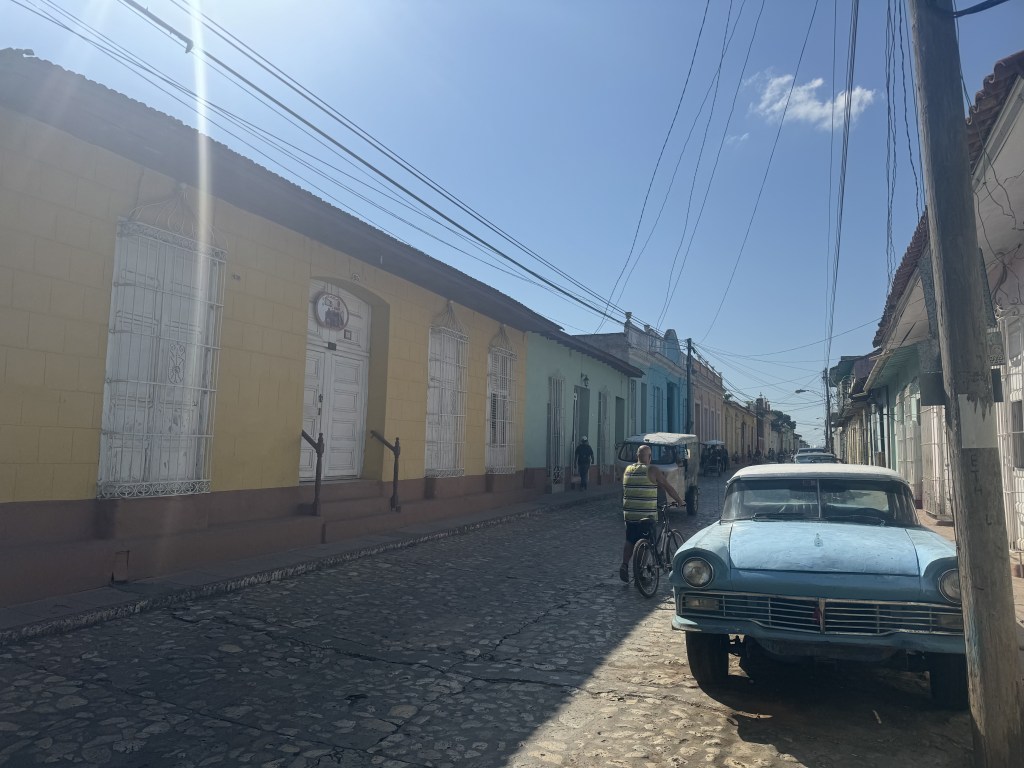
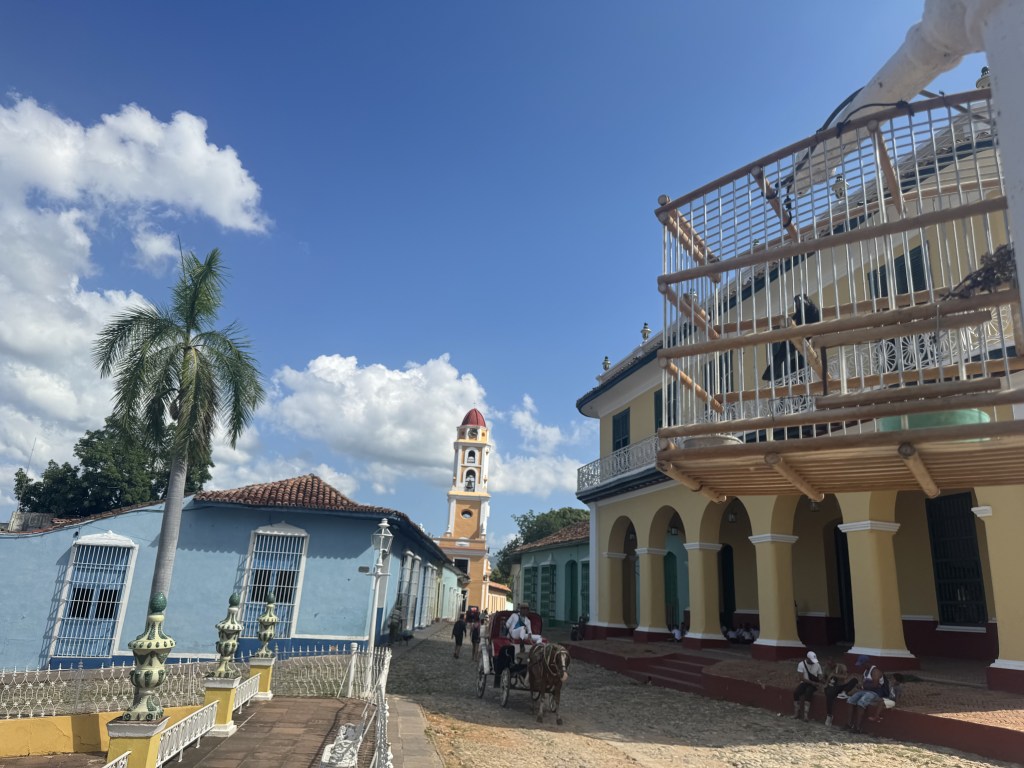
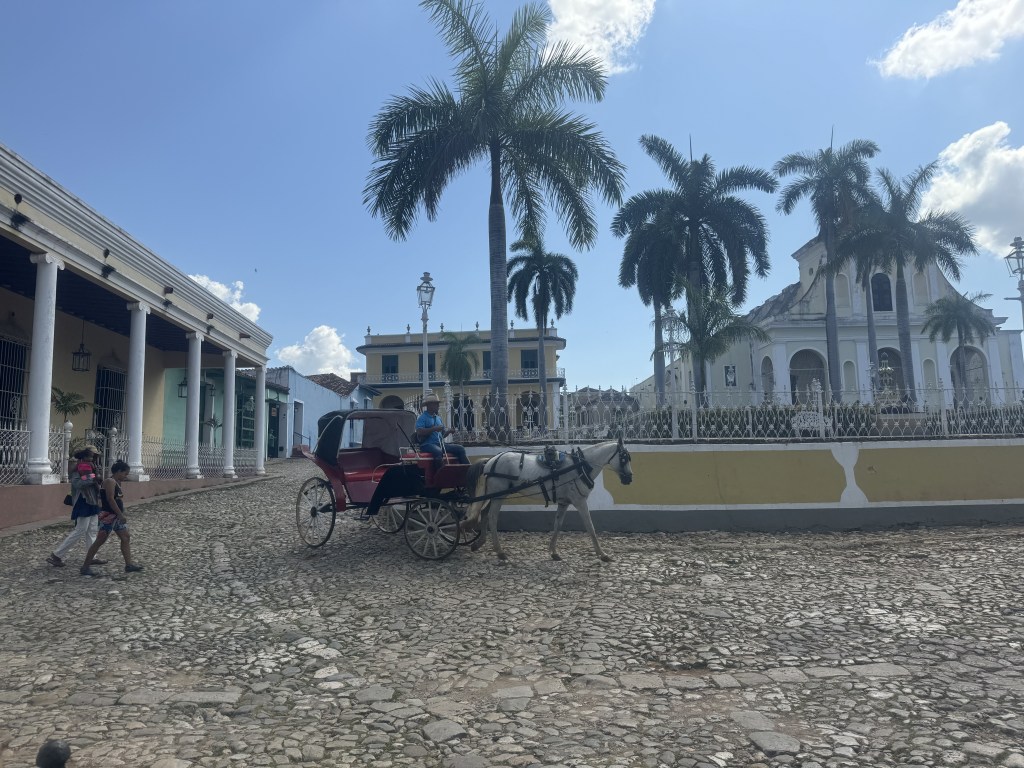
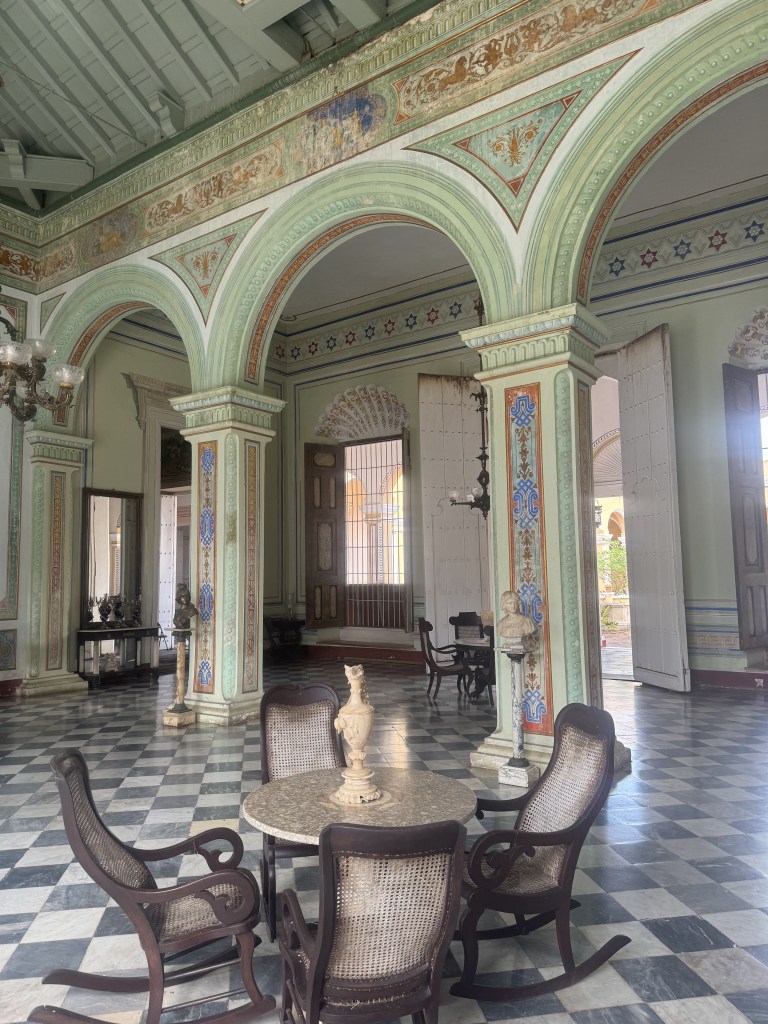
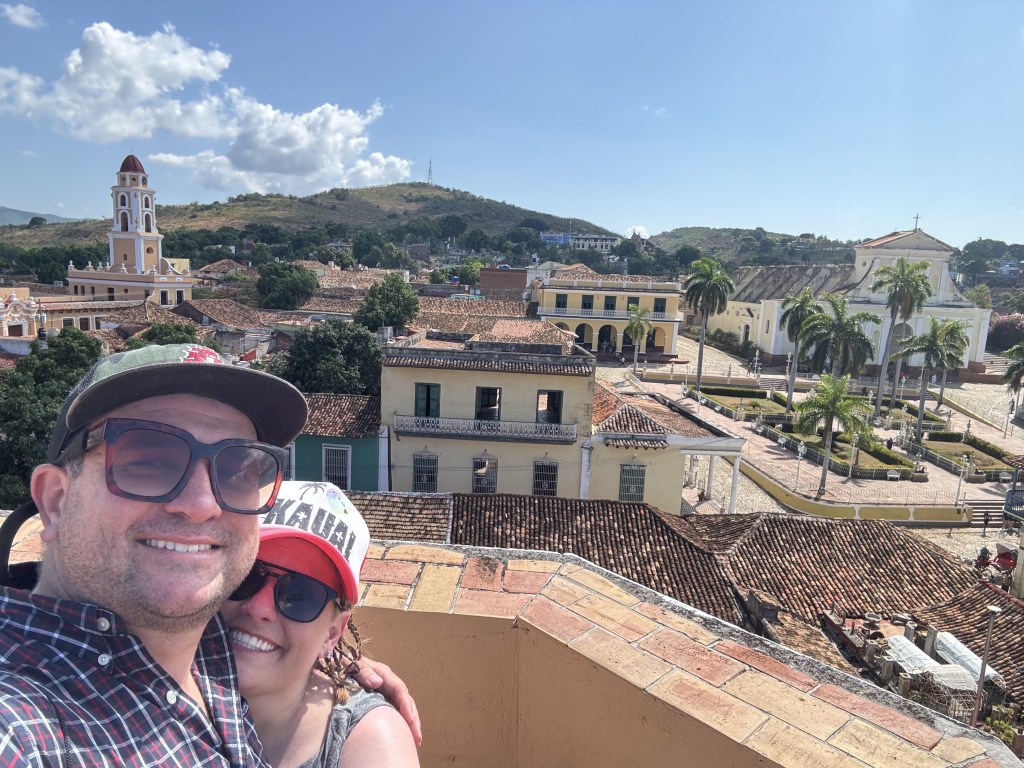
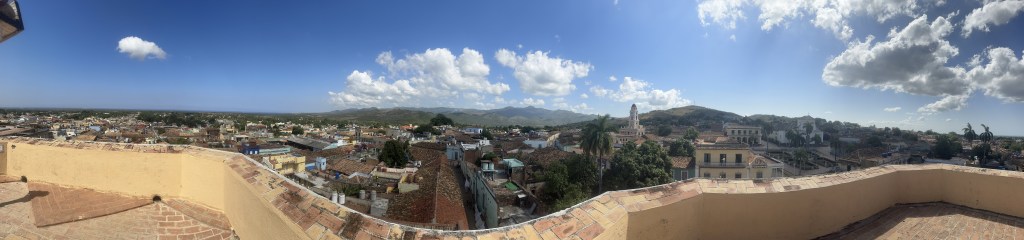
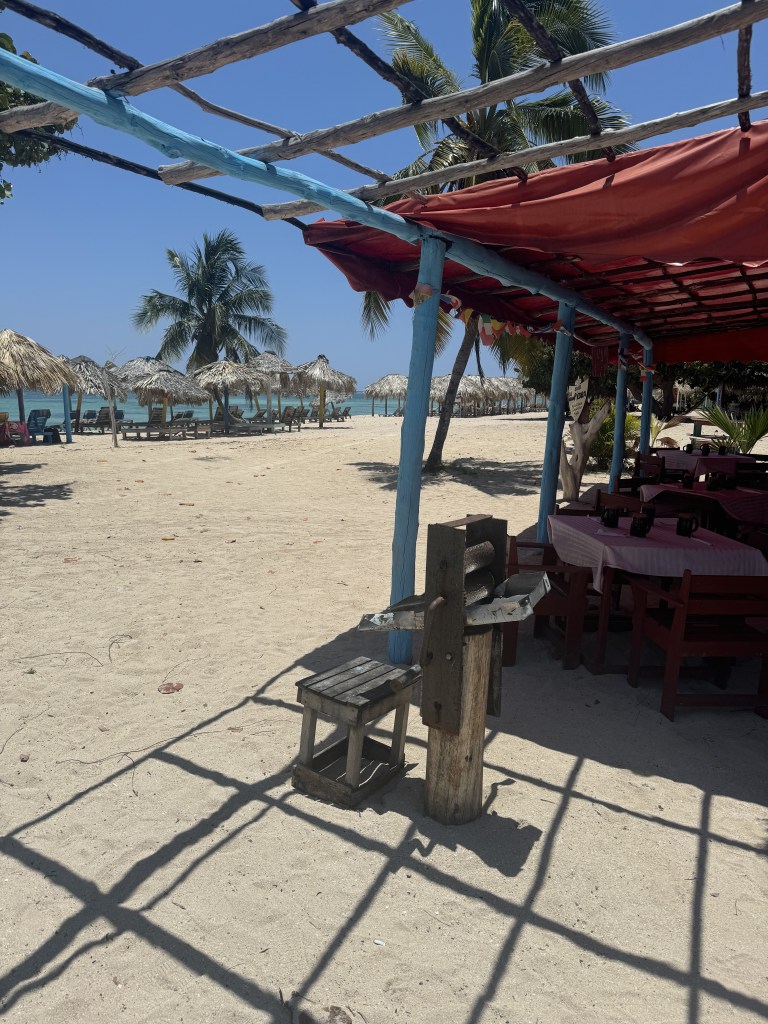
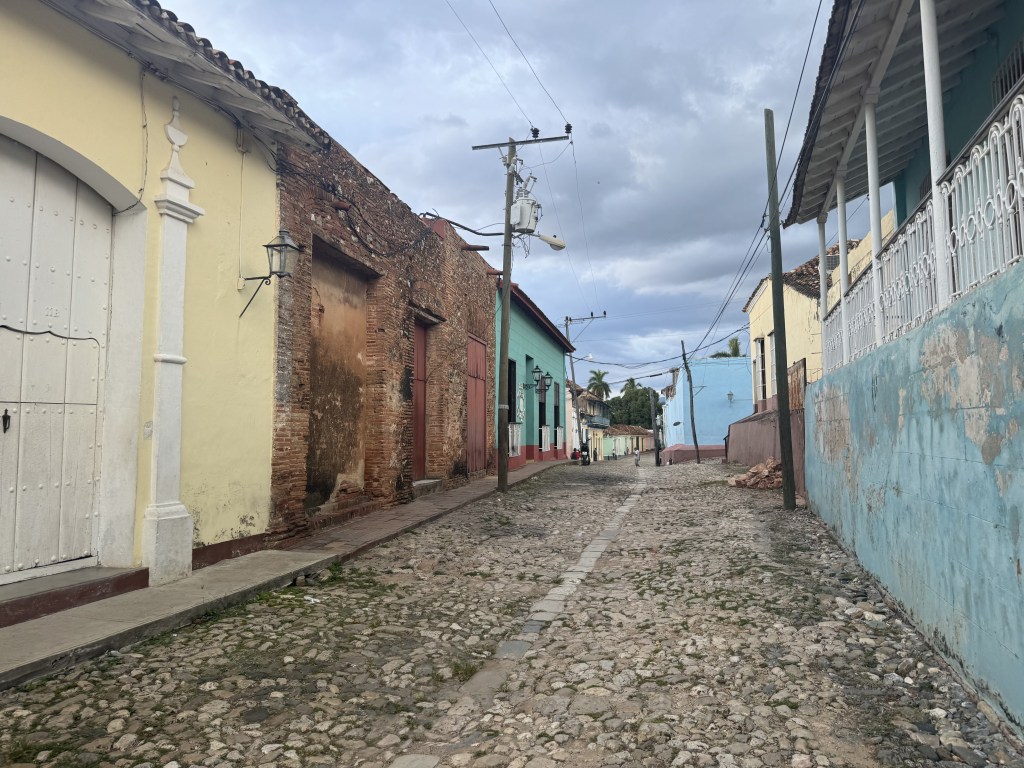
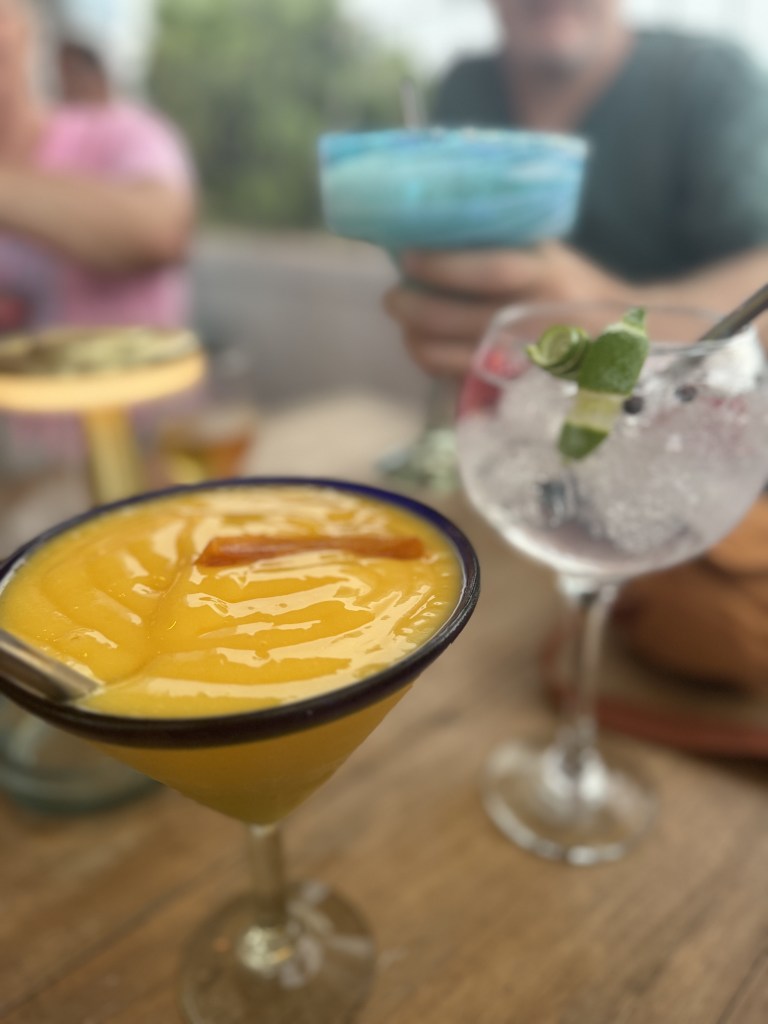
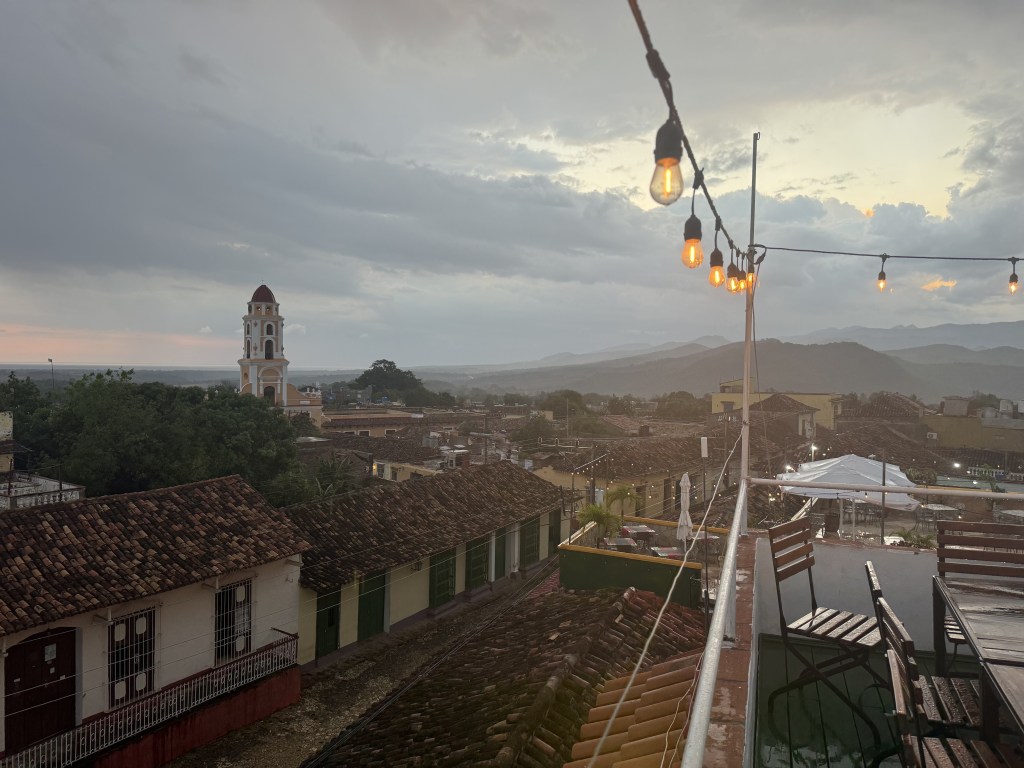
For this pirate-aficionado, I especially enjoyed the Caribbean town of Trinidad. Trinidad’s ancient streets are cobblestone and labyrinth, to mitigate pirate invasions back when. The history was rich and thick in and around the town square. We were served seafood and cocktails under cabanas on the rustic beach and the town was the birthplace to the famous “Canchancharra” medicinal cocktails (Black Tears rum, honey and a spritz of bubble water and lime). We returned from the beach to an extended rolling blackout, but found our way back to the town square where the owner of a new place recruited us to at the beach, where we found Cuba’s top singing talent (who could sing Adele in Italian, English and Spanish with soul) and a tropical storm around sunset under a roof with mountain, see and town views for many miles. We finished the night watching the tropical sky light up with lightning flashes in the distance from the roof of our place and trying to grab a few winks with no air conditioning.
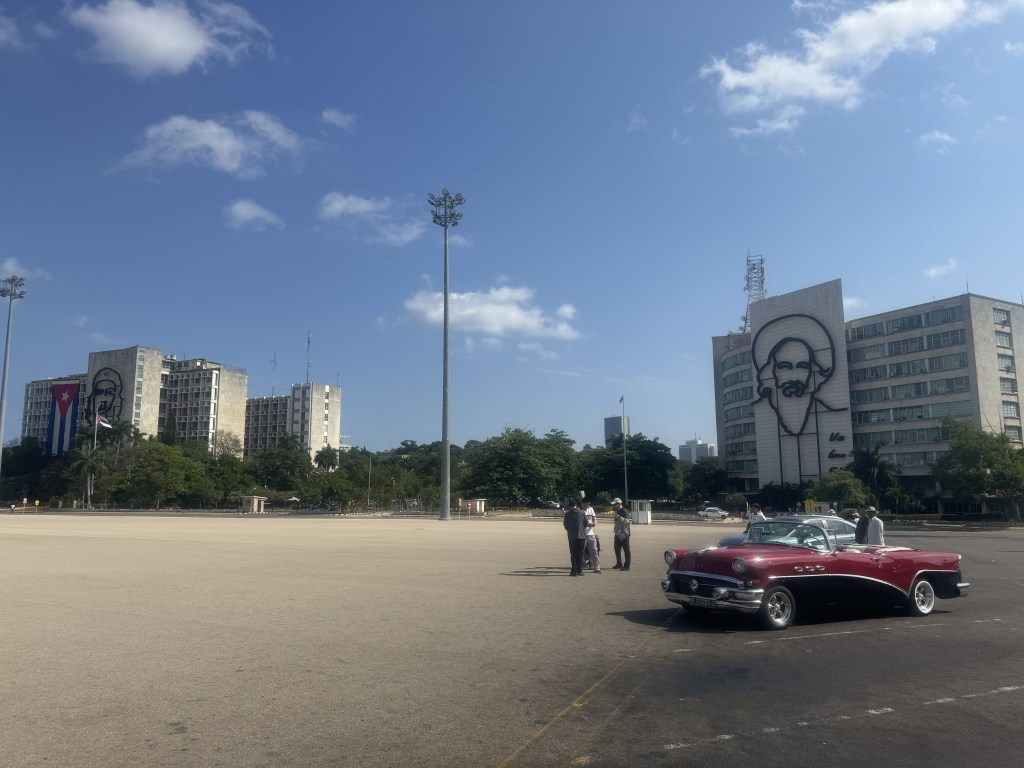
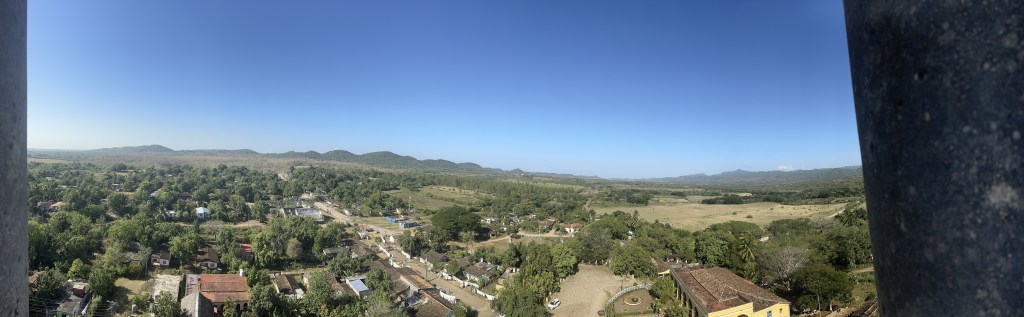
The mountain pass we went through heading north was scenic and we stopped in a sugar cane factory en route to Santa Clara, where we took in famous communist revolutionary Che Guevarra’s monument while learning more about his contributions in the fight to bring education (he had a doctorate himself) and a reprieve from poverty and indentured servitude to the masses. The Che and revolutionary themes are everywhere in Cuba, despite the fact that he had a falling out with Fidel before he was assassinated in Bolivia.
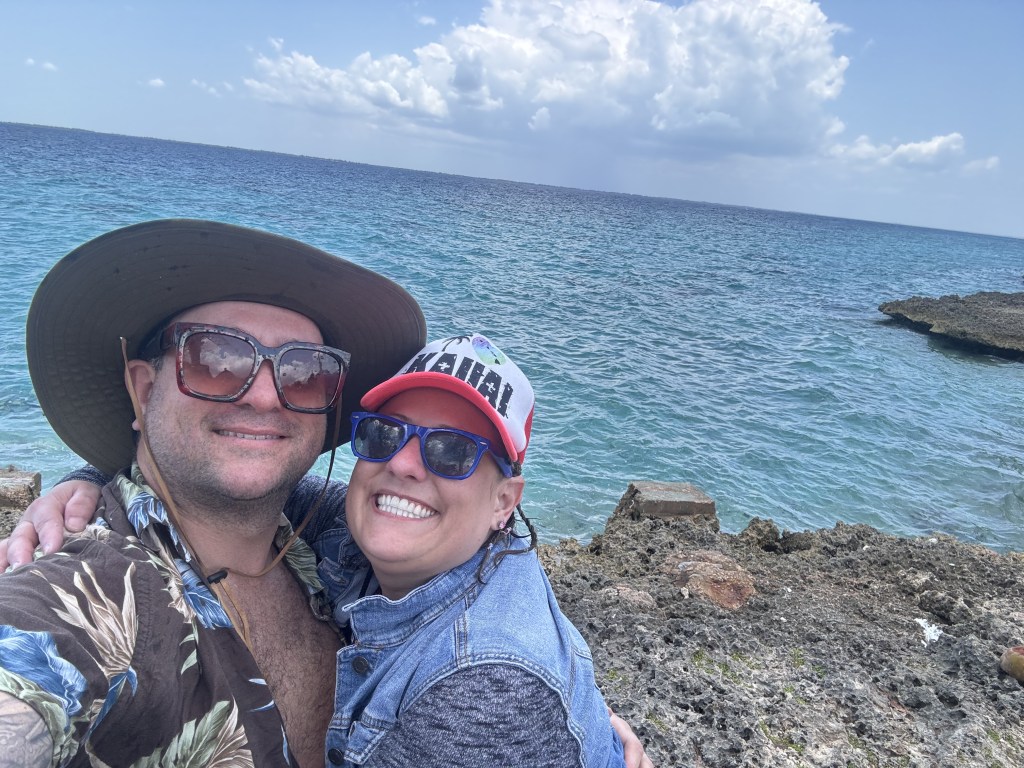
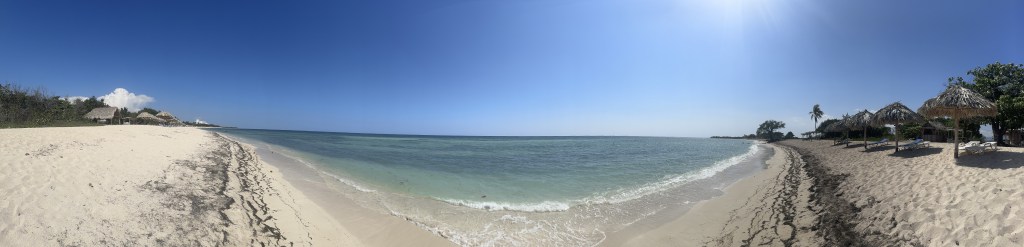
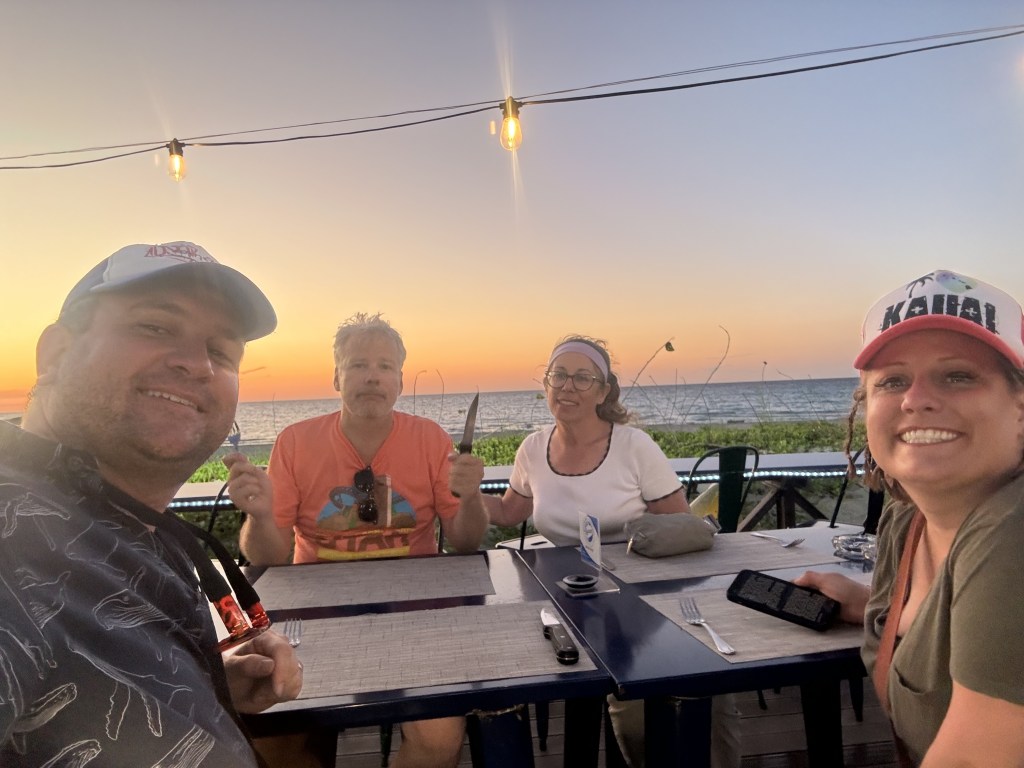
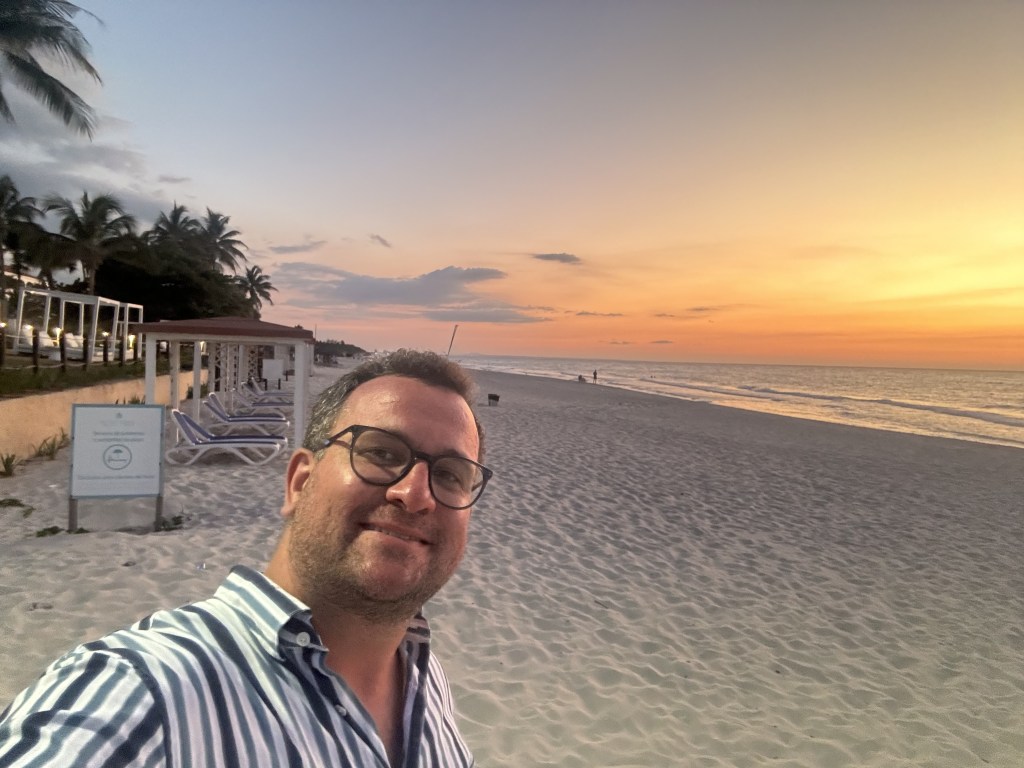
We concluded our trip in the best possible way – relaxation in the beach peninsula paradise of Veradero off the straights of Florida (Atlantic side). The fine white sand beach was clear and waters crystal blue – much like the Florida panhandle beaches. We stayed a block from the beach, rented cabanas for $1 for the day, refreshed with 80 cent pina coladas and $3 burger lunches, popped by the Beatles Bar, and had nice sunset dinners after driving the strip in a convertible or horse-drawn buggy. It was very relaxing and a worthy Cuban send-off.
Cuba is a very mis-understood place. A friend was jailed for weeks there back in the day for putting up posters promoting a gay party. Beware as there is no extradition. When we asked our guide about facts, the answers were all over the place (ie. unemployment rates) and talking government policy is taboo. Today, it’s unsure of itself and who it wants to be, with a more active black market environment – elements of our market-driven economies and small businesses becoming a lot more accepted, even since the last trip.
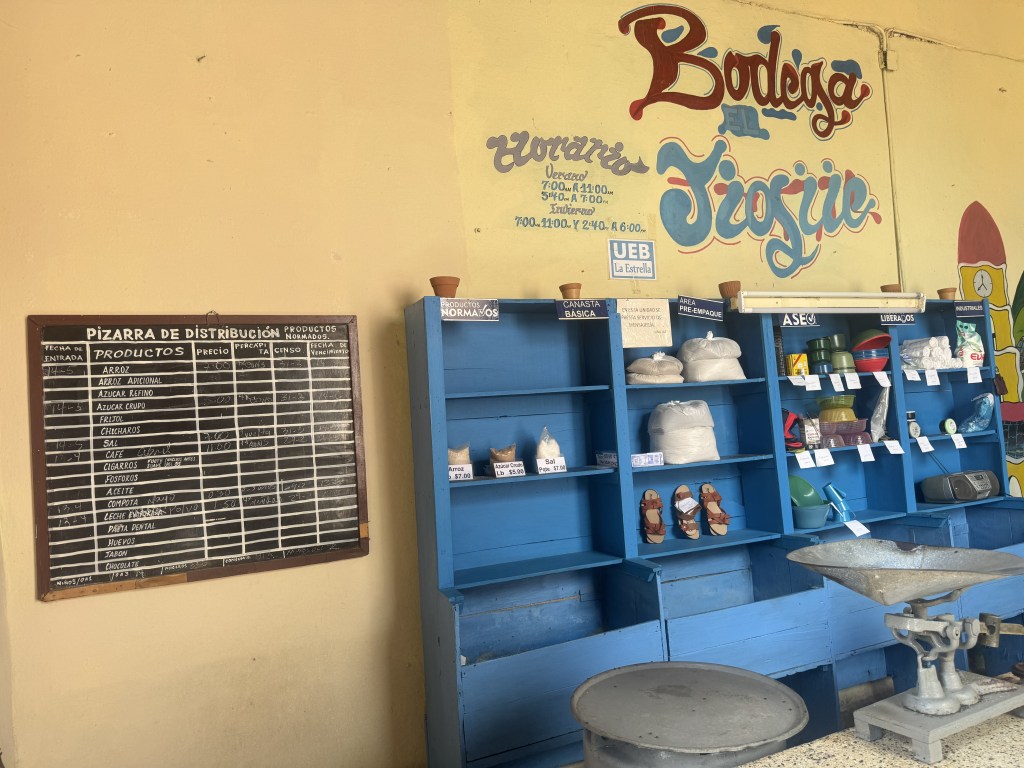
True to our visas (which you’re supposed to back with non-government vendor receipts for 5 years), we readily supported musicians and anyone helping make the experience better with $1 or couple hundred pesos, which go oh so long a ways. Occasionally, we got hustled, which entails being led to a restaraunt/bar and overcharged. When the average monthly salary is $30 and doctors make $87, your perspective changes. Monthly rations (including “Vitamin R” and tobacco) are covered for all, as is housing, employment and medical (Cuba has one of highest doctor to citizen ratios and treatment levels).
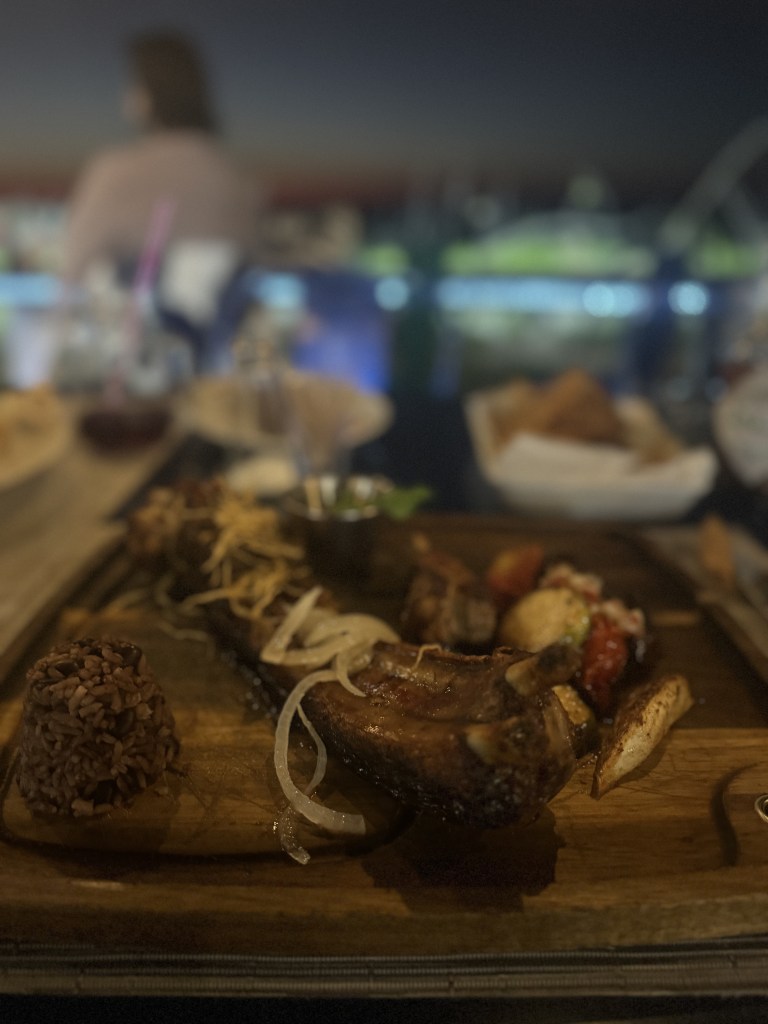
Cuban industry has shrunk considerably (many people ask for medical and US logo/city products as they are scarce and expensive). Tourism has taken a major hit and all the hotels and resorts are government owned. Despite everything, life is simple, the reefs are still pristine, food (always get the pork) and drinks are as fresh and tasty as they come and the people are smiling, happy and full of soul and charm.
I recently read Humankind: A Hopeful History by Rutger Bregman (no surprise that it was written by a Dutchman). The premise is that society co-existed and thrived when sharing and started coming a part once individual possessions started to become a theme. There are some very evident, exponentially scary flaws to capitalism and clearly communism is a flawed ideology that far from achieves its means.
While I nurse my surgically repaired achilles of which I’m on the hook for thousands and dealing with the stress of all the missed agenda items and months-upon-months of recovery ahead, it’s hard to not think of the the different world-view such an injury brings about for someone in a place like Cuba!
Speaking of stalled aspirational progress, as we are all now acutely aware of, the global economy hit a screeching halt by way of a COVID-19 (Coronavirus) pandemic.
Ramifications and the related coverable topics are endless.
A globalized reckoning, which was anticipated to happen at some point by the experts, caught us all on our heels and we couldn’t react quickly enough to put it to bed before massive loss of lives and economic progress resulted.
What are we learning in the process?
Leadership and the ability to listen, emphasize and unite matters more than ever – without it, everything can unfold.
Heroes come in all shapes and sizes. The true heroes pulling us out of this mess are the service workers on the front-lines putting lives on the line to save their brethren (nurses, doctors, EMTs, social services, teachers, grocery store and “essential business” workers). These folks deserve every accolade, perk and quality of live improvement possible.
Globalization Revisited – it doesn’t matter if your GDP is greatest in the world if you can’t stock or make the basics to save your people (ie. PPE’s like aprons, masks, gloves, etc.)
We need to focus on the industries, tactics, practices and strategies proven to sustainably benefit the masses. Sometimes it’s time to stick in that fork and move on vs. continuing the life support.
Personally and professionally, we are all at a crossroads. Adapt or die (figuratively and literally so, sadly).
It’s a group exercise, too. One outlier can derail the recovery progress for the masses. We are all ready for the economy to return to normal – your non-distanced protests only hurt our chances to get there.
How we prepare today will impact tomorrow. It is well worth the extra few weeks of staying at home to not set ourselves back months more.
If all you have to give is goodwill and positive thoughts, pay it forward, spread it (especially while staying at home!) and the returns will multiply and help get us all back on our feet.
We live in a social media driven world where our best Friends, Connections, Contacts, Followers and Matches are a click or two away. Because we’re so accustomed to living the “American Dream,” keeping up with the Joneses, and subjecting ourselves to the rigors that accompany these conquests, we’re content keeping up through surface-level digital footprints and sporadic, quick in-person or phone interactions. How many times per day do the, “How are things?” – “Good. You?” surface-level, efficiency-driven interactions play out? We think we know what’s going on, but all we just know what people want portrayed out there because we don’t expend the time to go deeper.
Thousands of contacts connected within a few clicks but how do we know who will come through for us when it’s on the line? Who’s willing to take the time and put in the energy themselves to go the extra mile for you when you’re in a time of need – and then actually follow through?
We’re at an ugly crossroads in America. We see it amongst all the political dissension. We see it as mental health traumas rise. We fight over resources to the point of disassociation with those closest to us. We can’t go deep ourselves, so how could we go deep for others? Are we in it for status or the good of human kind?
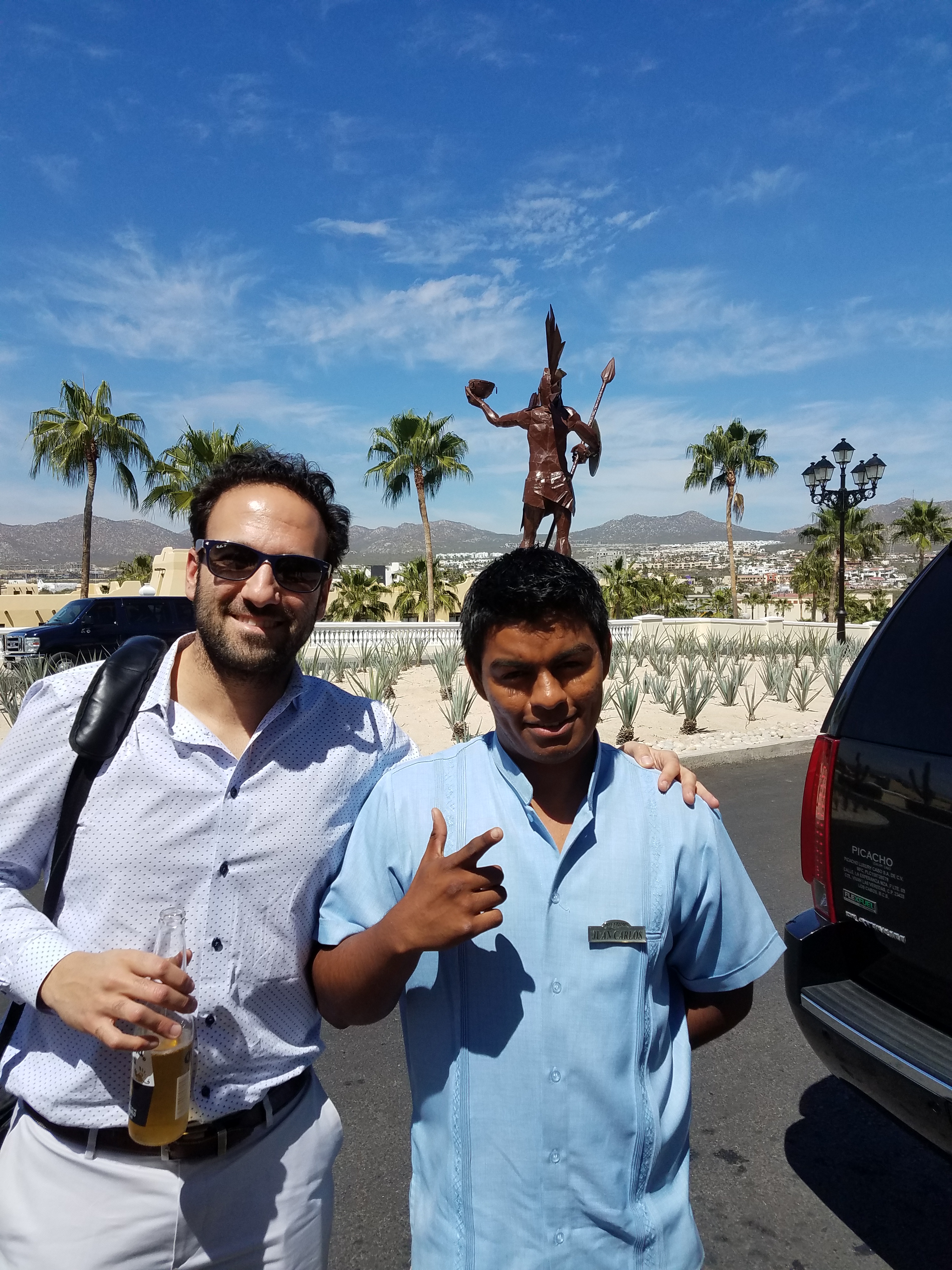
Sandwiched in-between two personal quests for ownership after putting it all on the line, I took a trip. Despite better financial judgement, I joined college friends south of the border for the sake of a friend who’s always had the ability to go deeper (Kaveh is pictured right with our chauffeur Carlos).
After some tropical guy’s weekend introspection, I came to some harsh realizations. I’m great at the surface level stuff, but like many guys, I have trouble talking about feelings, needs, concerns, etc. I’m too trusting that if I put it all out there for you, that you will then come through for me. I learned that I try to formulate solutions for everything and in doing so, force things when the square pegs will never fit into the round holes.
With that said, though, I learned that sometimes you need to put people on the spot to realize how much you can count on them. Sometimes, you have to lean on yourself alone.
Paying it forward with no expectations is hard to do but pays big dividends. I recently watched The Kindness Diaries on Netflix, which details one man’s quest to cross the world on a motorcycle with no money relying on the goodheartedness of others. Despite lots of doubters and strifes along the way, Leon made it and repaid those with pressing needs who helped him out handsomely with something that would help get them across the hump. That begs the question, if strangers with very little can do it, why can’t we?
What can you do to interview and determine who’s trustworthy and will come through for you? What are some strategies you’ve used to dig deep and get results during times of need?
Still floating somewhere between European and Mountain time zones and current hostile affairs like political blunders and terrorism in Nice, I rediscovered a few American habits quickly. I went nuts at my local Smith’s grocery store and bought a bunch of unhealthy stuff I didn’t need. I pounded out some productive work time. And, gained a sense of perceived “manliness” I hadn’t experienced before by taking my car to the shop, pulling out and charging the battery after it’s juices had drained in the hot sun for two weeks. We also had a fantastic wedding getaway for Alli’s cousin Nate and his Brazilian bride in Park City staying at the fabulous Hotel Park City.
Also, I booked another trip abroad leaving 8 days from the last.
The Return:
Every summer, Alli’s volunteered to take students for a service trip to a different developing country. This time, it was the Dominican Republic. Two trips like that back to back is a lot for anyone, especially with planning and funding in mind. Thankfully, I had another set of credit card bonus offer points to pave the way. The last time, it was my Marriott Rewards Visa, this time my Skymiles Amex got me just about enough points for a flight to the D.R. (although not the full bonus because I had it and cancelled it before using it previously, despite hitting all the benchmarks).
As part of a study abroad experience and the equivalent of my graduate school thesis, I went with my George Washington University School of Business cohorts and each of us explored our own topic of choice tied to baseball, tourism and the D.R. It was such an eye-opening experience for me that really opened my eyes to opportunities beyond our topic of choice (mine was a case study on the Pittsburgh Pirates’ comparative international efforts). Although I wanted to hold out to go somewhere new, I caved for the prospects of Cuba, consulting angles and the chance to learn how one could help more in the D.R. not to mention the chance to live a little Caribbean life, “mon.”
Community + Compromises:
We agreed to do this one her way. She describes her style as “hopping on a bus without being sure where it’s going.” Antithesis of plans. I like to maximize the experience. I arrived in the capitol of Santo Domingo, where Christopher Columbus (o Cristobal Colon) landed and created the 1st city of the New World soon after 1492. I was picked up by my softball teammate’s brother Jose Ignacio, who first took me to a meeting I had set up from my 2011 contact list. I sat down with the President of TURENLACES, a tourism organization and spoke about some consulting ideas tied to my past project and visit. She voiced that there’s still huge opportunity for baseball tourism. More international players in MLB come from the tiny island that is the D.R. than any other place – kids drop out of school to focus on it early. She also voiced that a small % go back to community service – specifically schools or teaching women a trade. She said that they really have a tough time – stay home, often working on something and the men come home, take the money and leave them with little if anything, going to spend it on beer. Political corruption makes it tough for big change when it comes to sustainability, etc.
The Struggle
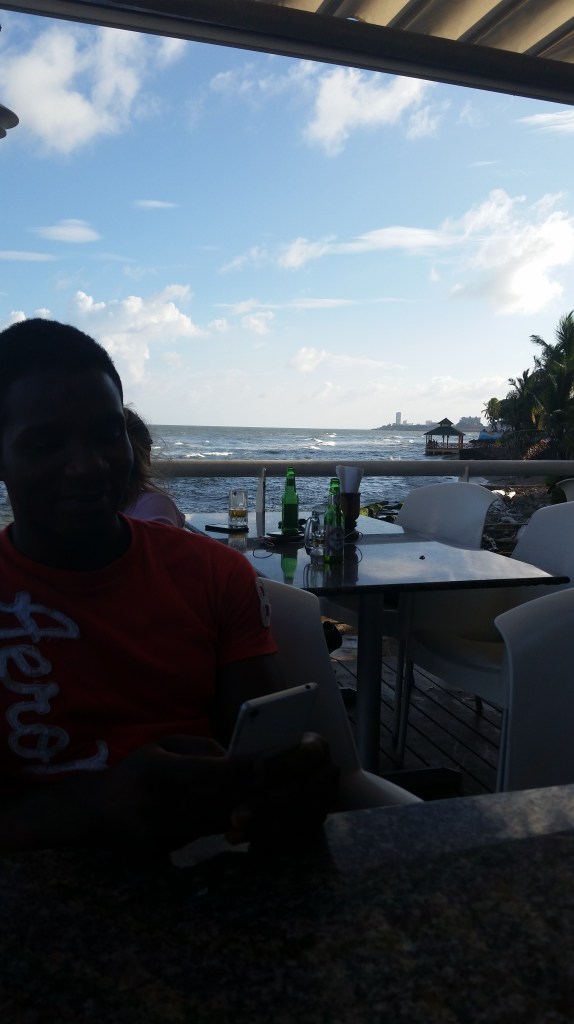
Jose Ignacio provided a unique perspective on the Dominican struggle. He’s got a Master’s in Engineering, had been working on a skilled logistical engineering project, yet was without full-time work at the time and was doing Uber while trying to land what’s next. He said college grads make $800-1000 per month in the D.R. on average and that he was at $1800 with that project, yet $400 or $700 at factory and other jobs despite the degrees. Subsistence living, with education often not playing as much of a factor making it hard to get ahead. Over a nice Dominican-cooked dinner on the water featuring Mofongo (plantains mashed with avocado and meat – fantastic sweet and sour mix, and Sancocho – a number of meats in a stew), I heard about their mother, who raised them in nearby San Cristobal while working three nurse jobs after their father was lost when they were young – electrocuted while working on a car.
Eudy, his brother, had a big tryout with the Angels, and it didn’t end up working out but he was still able to come to the U.S. and play at Utah State. He’s now successful in software, married (which was news to us) and needs to have a kid to help solidify citizenship. We then went to a comado or colmado for a Presidente, which is the equivalent of a neighborhood hangout spot that sells beers and the like.
Jose Ignacio and our dinner setting
Botches and the Europeans’ Continued Influence
Then the ugly head of lacking international wireless coverage kicked in. WiFi-less botched flight pick-up of the lady, who’s flight was delayed, but not by the 4 hours we eventually located her later. Up for 48 straight hours put her out for the next day. I got to know the internationals at the Island Life Backpacker’s Hostel in the heart of Zona Colonial in Santo Domingo. Yan, a Dutch student was solo-exploring the remote mountains near Haiti before working his way down to Domingo and taking off on a 60 day sailing trip to the Azores islands off of Portugal before being back to Holland. Francisco got tired of the Chilean routine and moved to the D.R. with his home-made Marlin spearfishing gun. Romanian, Dutch, British, German, French and 1 American weighed in on the hidden wonders of the D.R. beyond the tourist havens of Punta Cana and Puerto Plata. After exploring the ruins, Christopher Columbus house and the likes of Zona Colonial and missing out on last spots on an Isla Saona excursion, we took off for a chosen hidden gem.
Island Life Backpacker’s Hostel
Fresh Cooked Chicken & Plantains for under $2 from the neighbors
LOCO!!
When we got to Las Terranas of the Samana Peninsula, there was a swarm of guys looking to get us to point B without cars. You’re going to get us and our bags there on your motorcycle? You got it. These locals buzzed around on bikes and scooters all day, constantly looking for tourists they could give “moto” rides to for 50-100 pesos per person. Based on recommendation, we stayed at Fata Morgana – a set of hostel casitas owned by a Dutch expatriate and local guide named Edith, who lived with her 15 year old son on this sprawling private tropical plot along with 4 dogs, 2 cats, and 2 donkey lovers who found you anytime food was potentially around.
Las Terranas was said to be heavily French and Euro-influenced but walking up through the town it was very third-world local. Locals outside their tiny casas (houses), comaldos, tiendas (shops) or bancas. I tried to trade in cash at bancas in Domingo and got funny looks, later finding out that they’re lotteries (obviously government-backed) and they’re everywhere. Beer and lotteries for the poor to invest the few pesos they’ve made and they’re everywhere. We ended up deeply lost in a very poor neighborhood trying to find the beach while getting directed through backyards, etc. but never got a bad look or felt in danger. We finally stumbled onto the beach, where the Euro-influenced was discovered, explored a bit and ended up taking an adventurous motocoche home.
Paco & Flora – hungry lovers.
Casita grounds
Playa Bonita
The next day we discovered the beauty of Playa Bonita – a 20 minute walk from our place. Fine, caramel brown sands, turquoise water, no wonder it was named a top beach in a country with so many great beaches. After some fresh catch and Presidentes on the water, we walked back, noticing burning trash and the like in the street. There was lots of trash lying around and if you’ve been to developing countries, you know trash cleanup and disposal is not a priority – survival is. Another fire was off a ways a bit into the brush.
We got back and Edith said there will be no going out tonight – there is a strike that started the night before when we lost power. It had been a long-endured battle with the electric company, who held a monopoly and was apparently charging the town 3x what others were paying – a really big deal when you’re barely getting by. The locals had had it and were going to let it be known. No, not by picket signs either. She showed photos of riot police being sent in the night before, tear gas being shot, fires in the street, etc. We spent the night playing cards by lantern with the power out commenting when there weren’t gunshots over a 10-15 minute span. I handled it the only way you could and pretty much the normal nightcap: rum, fresh-rolled cigars, and a hammock listening to shots fired in every direction that wasn’t water. The locals weren’t going to loot or target their own, they wanted the government’s attention, and we actually fell asleep and actually ended up sleeping better than the previous night (believe it or not).
No power, riots + gunfire in 3 directions.
We woke up early as we had set up a trip to get off-campus and take a ferry for a tour around the national park across the bay for some caving adventures with Native American paintings and the like. 8 came and went and no pick-up. The locals were buzzing around like usual, while the street messes were cleaned up. They had set ablaze electric poles in prominent places, which were still smoldering. The message had gotten across and a meeting was set with President Danilo, who was the popular choice during our group on the last visit (they have “next door neighbor” photos of candidates looking approachable in suits all over, we probably just saw his the most). There were many riot police around in case the strike re-engaged, which was common but didn’t happen as the power was back and the meeting was set – initial win for the people.
Hidden Beauty
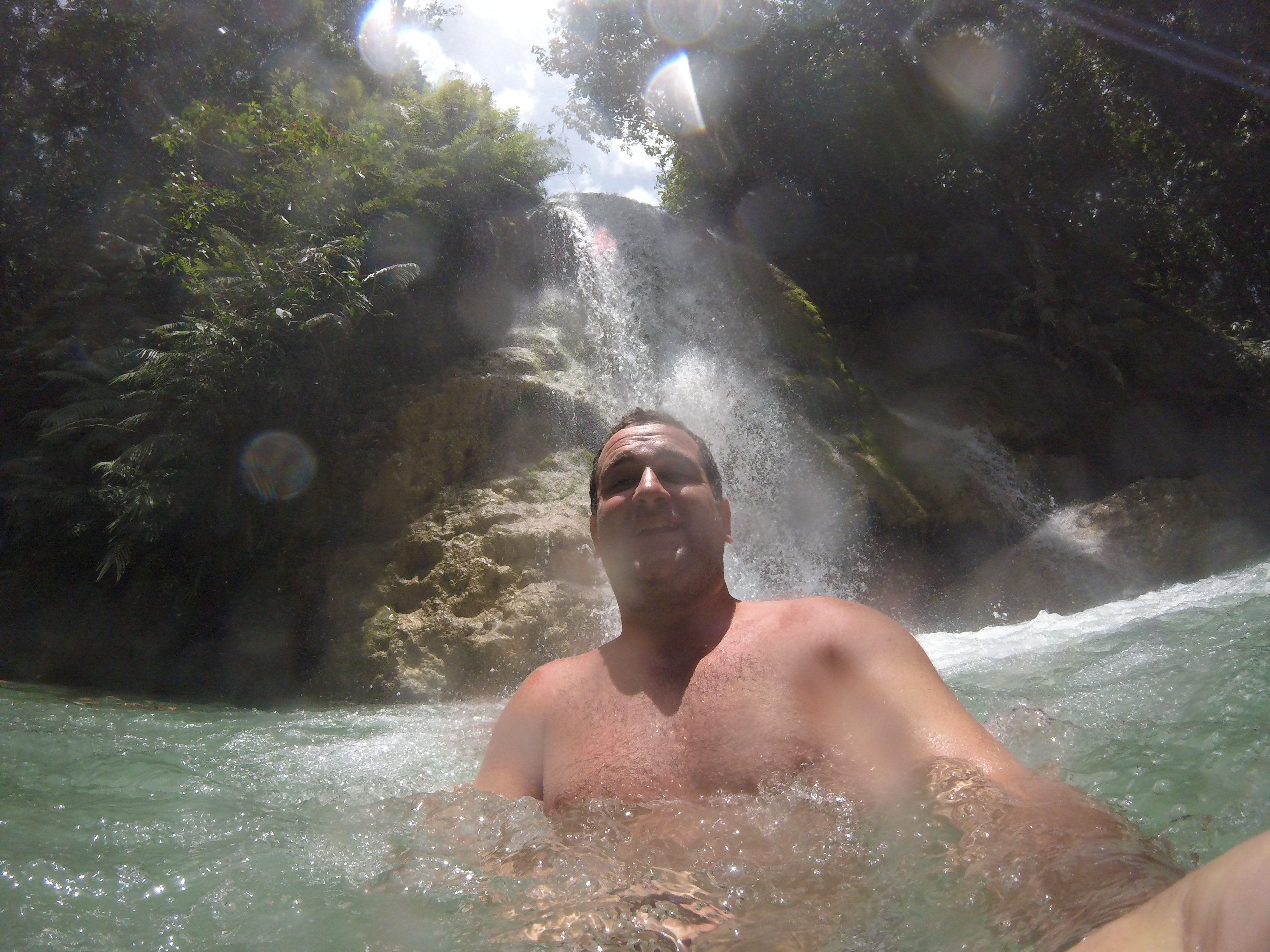
We were enticed to leave to another legendary beach on the drier east side of the peninsula in Playa Rincon, or a surf beach up the coast in Cabarete, yet were encouraged by others that those are nice but the grass was pretty green here. So, despite all the craziness, we stayed. We hitched a “guagua” ride on the back of a truck through the next town to El Salto de Limon, fought off claims that hiring a guide with a horse was mandatory and ditched them when they tried to follow us. A tough climb later, we reached two fantastic waterfalls. We let the tourist waves pass and enjoyed a cool swim under these, tucked in the tropical mountains.
Although I grew up often near and on the beach, I did a lot of bodysurfing with my pops in the small waves of the Gulf, but never learned to surf until Australia and I hadn’t picked up a board since then in 2006. I decided to give it another shot at Playa Bonita by renting a longboard for the day. The surf at Bonita was straight forward for a noob like myself and the beach and waves were pretty empty that day. I was up on my 3rd try although it wasn’t necessary all gravy from then. It was tough re-adjusting to catching waves at the right tempo from paddle to peak. It was tough balancing weight on the pop-up, and surfing just really takes it out of you. I got up a good amount, thanks to a helpful drop-off closer to shore and it felt pretty awesome to improve upon where I was at back when and spend a day sitting, spotting and riding waves in such an unbelievable setting. The shop pro who was watching me from the beach said I needed to keep my arms in and together to get up better. There’s always next time for further improvements – or maybe learning paddle boarding or better yet kitesurfing!
We then went to explore another hidden gem in Coson, said to be an hour and a half walk from Playa Bonita, with a cool river, desolate beach and mountain scenery, and a legendary restaurant in Luis’ serving the freshest catch you could imagine. We were joined by two westernized Israeli guys Lior and Avner, just fresh out of the mandatory Army service everyone in Israel serves after high school, who served in Intelligence and at least had some good stories to share. Lior was traveling for 6 months starting in Spain and Portugal through the Caribbean and ending up in Colombia, Avner previously trekked through much of South America similarly. The walk was about an hour up some remarkable beach line. It was Sunday, so the Dominicans were off and enjoying it and Coson was more crowded then advertised. We passed a gathering then doubled back to what we found out was Luis’ before enjoying some amazingly fresh catch and sides. We looked down the shore and could see how on any other day, this setting could offer a uniquely desolate and beautiful scenery and solace.
That way to Bonita
Cool river flowing
Desolate the other way
The freshest feast
Back Where It Literally Started
To get more of a look into the area, I thought we’d take the scenic route. 6 vehicle transitions later, we reached the town of Samaná, a colorful town home to many great winter whale-watches on the bay. We were advised not to take the scenic ferry as the buses back to Domingo didn’t run late enough, so no scenic ferry ride back. We enjoyed a very nice meal at the hotel across the street, met a local guy who played for the Pirates Dominican team a few years back. I checked out his gift shop, bought some Larimar gifts (blue colored stone found only off the south coast of the D.R.), traded numbers as he had a few 15 year olds he thought were good enough to get signed soon and talked about another visit in the winter.
After many vehicle transfers later, we made it to another hostel oasis in Zona Colonial. She left early, I spent a day wandering (read: mostly lost) in and outside of Zona Colonial, finding great food deals in Chinatown on empanadas and the freshest most wonderful fruit smoothie I’ve had (under $2 combined) plus some valuable directions. I checked out the Rum & Sugar Cane Museum then spent more than I could’ve on Coffee & Passion Fruit Rum made in the Museum, cigars rolled right as I watched at El Tabaquero (3rd visit there) and the legendary local/mythical Mamajuana drink – a mix of rum and red wine with the root of a special plant (said to be an elixir with special mood enhancement powers). All to enable me to channel a day in the Caribbean life/my inner pirate.
Most amazing tropical smoothie ($1)
Taking aim at a statue
Columbus House
Inside Columbus House
The Lay (Over)
Before long, I was off that flight full of excited Dominicans and back stateside spending a nasty overnight layover on the floor of the JFK airport to avoid missing my 7am connection. I was excited to soon not have to think, speak and navigate unfamiliar territory in Spanish, got a patty melt at a diner and thought about what the takings were from the trip. Here they are:
Takings
Take advantage of credit card bonus offers to score amazing trips, helping you do it on the cheap (we spent less than $1,500).
If you’re adventurous, shed the group/tourist mentality and get off the reservation and off the beaten path, finding out from locals where the best spots are. What you may lose in perceived security and comfort, you’ll make up much more in life experience and cultural understanding.
There is ample opportunity to help developing countries via volunteer work, stimulating new thought and economic impact, etc.
Developing countries may seem to offer much comparative opportunity but infrastructure is very hard to change, especially if built on long histories of corruption. Advancement programs in schools, job training especially for females is much needed beyond the programs that feed on the poor like the lotteries.
There is distinct need for decentralized energy and I’m interested in further exploring making Solar cheaper and more palatable for the poor – would need buy in from MLB and energy partner to help reduce costs and benefit the masses to sway the government from the deep pockets of monopolies clearly exploiting the masses.
Dominicans are very intrigued by Americans, will market services like everyone else but not relentlessly. You are not in trouble going “off the reservation” unless you’re really sticking out uncomfortably.
The Caribbean islands are all very unique with much pre/post colonized history. We’re kicking ourselves for not making Cuba happen – the clock is ticking on seeing this gem before we corrupt it. It’s about stepping into the past and the culture, not the beaches there. Bring plenty of American cash though, you’re in big trouble if you run out!.
The state of our economy has pivoted in a big way. My story and strategic recommendations.
After a happy holiday season back on the home front, I returned to the office and found myself suddenly unemployed and lucky I didn’t pull the trigger on buying my first place. Despite contributing millions to the company’s bottom line, I was sent packing in preparation of a major recent legislative decision: the United States Department of Labor’s changes in the Fair Labor Act (FLSA) basically doubling the salary required for exemption from overtime pay requirement.
What the U.S. government initially intended to have benefit the employees of the country proved quickly capable of doing the opposite. The legislative decision will have profound effects for employers and employees in every sector. I gave up the chance to follow in my grandfather’s steps in playing collegiate football at his alma mater, instead choosing to go to the University of Michigan and get involved in the business side of the sports industry, which has largely operated on a pay / volunteer to play system – especially for those looking to get an initial foot in the door and possibly a salaried job. 13 years, three degrees, countless unpaid internships, and five sports later, I have seen all sides of the system that capitalize on a huge surplus supply of candidates hungry to sacrifice for the sake of experience in pursuing a life passion. Operating budgets outside of player-related expenses are shoestring.
Our shared economy had already been skewing towards the freelancer, intern, or (fill in the blank) way to avoid paying a minimum annual salary of $47,476 of which up to 10% of that can come from commissions. The game has now changed in a big way especially for those regularly putting in 40+ hours per week or tied to commissions and lofty revenue goals. In sports, this affects everyone in a big way by threatening profits. Yes, winning may be the goal, but it is still a business.
Gone are the days a salesperson would pick up a phone book to sell. The NBA’s consulting arm, Team Marketing and Business Operations (TMBO), launched in 2000 by the likes of Bernie Mullen, Bill Sutton, and others under the direction of commissioner David Stern. 16 years later, it is still setting the industry standard for best practices by compiling, analyzing, developing, and communicating winning ways to generate results to all teams. Despite convergence, when it comes to sharing and training, the standard and disparity between leagues are still vast along with revenue disparities largely due to differences in media rights,another dynamically evolving area of concern for organizations.
Collegiate athletic departments have even more of an issue because they are oftentimes public institutions that cannot legally pay commissions and operate under uniquely governed legislative circumstances. Where will those hundreds of thousands of extra dollars come for those hundreds of small schools? The answer is grim: more sports will be cut while scholarships and jobs are lost.
Sports and sales in general will have to pull best practices of training, onboarding, and technology from other industries to become more strategic. Proven practices include maximizing the number of two hour blocks without distractions or diversions. Prioritizing one’s day with the most important tasks early, check email twice per day at 10 and 4 and schedule 2 hour blocks to get in rhythm on calls. Schedule outside meetings on one day or early/late in the day in coordination with commute. Eliminate/trim meetings and being on the clock on game day unless necessary.
“Frankenstein” solutions involving a mishmash of workflow technology will no longer work because the returns for the employees and organizations will be inefficiently surmised. Knowing this, one company I have chosen to get involved with isSponsorship Buddy, which pulls best practices of marketing automation, cloud services, and project management to rights holders and clients alike into one intuitive platform. Such a solution has proven to take staffs from reactive and day-to-day to strategic saving thousands of hours while providing process transparency and great calculated ROI / ROO.
On the surface, average salaries are sure to rise in correspondence, however, the ramifications will be widespread and force us all to become more calculated and strategic. How will you adapt?
If you have caught on to any outside or developing trends, tools, or techniques to best capitalize on the circumstances, I encourage you to share them here.





















 TRUE NORTH TEAM CONSULTING